In SoMa, a Building's Birth Year Decides What Your Renewal Can Cost
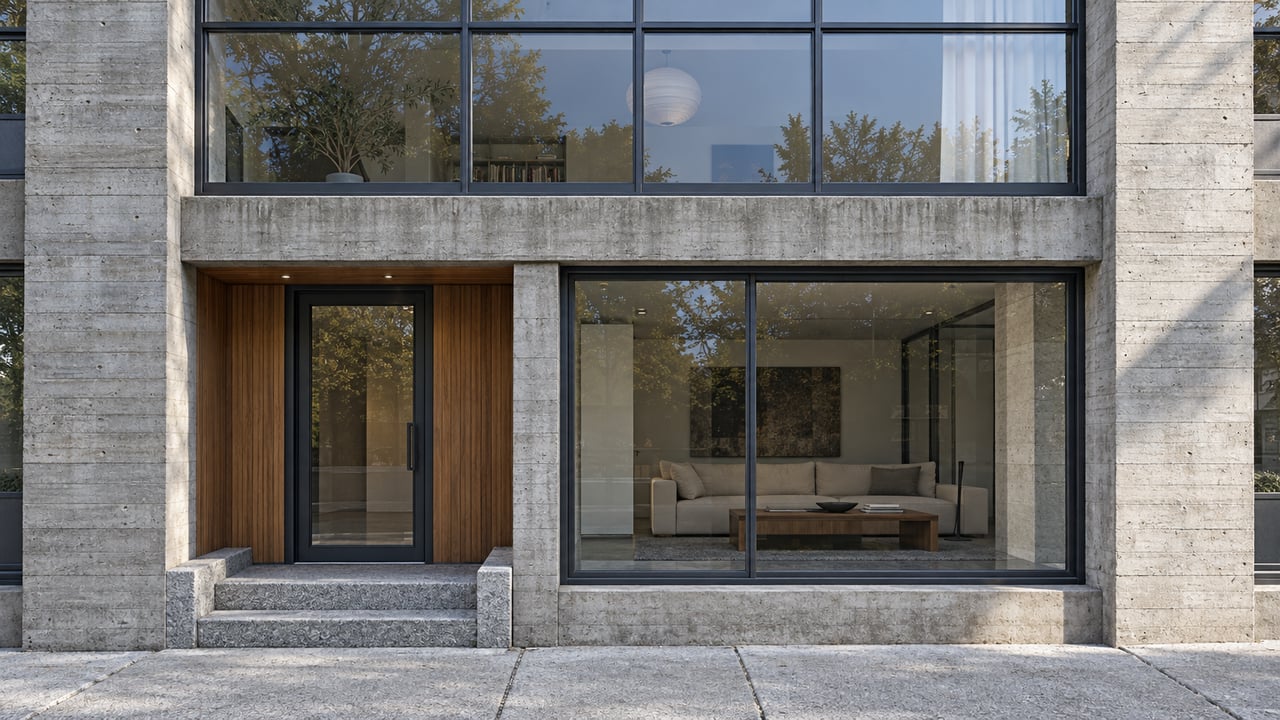
A SoMa tenant whose lease comes up this winter could face three different legal limits on a renewal increase: 1.6%, 8.8%, or no limit at all. The date on the building's certificate of occupancy decides which one applies. In this neighborhood, buildings from all three eras sit within a few blocks of each other.
That date affects the renewal more than the headline rent numbers do. Apartment List's October 2026 report puts San Francisco's median rent at $3,878, up 25.7% from a year earlier. Most tenants with an existing lease will never see a jump that size. For the ones who can, the reason is how new their building is, not anything about the market.
San Francisco's local rent ordinance and California's Tenant Protection Act, AB 1482, stack on top of each other. Which one controls a given unit mostly comes down to when it was first occupied.
| When the building's certificate of occupancy was issued | Rule that limits a renewal increase | Current ceiling |
|---|---|---|
| On or before June 13, 1979 | San Francisco Rent Ordinance | 1.6%, March 1, 2026 to February 28, 2027 |
| After June 13, 1979, and more than 15 years ago | AB 1482, Civil Code 1947.12 | 8.8%, August 1, 2026 to July 31, 2027 |
| Within the last 15 years | Exempt from the state cap | None |
The 1.6% figure is set at 60% of Bay Area inflation and can be applied once every 12 months. It isn't always the real maximum for a controlled unit, because SF.gov's rent increase guide explains that landlords can bank unused annual increases and seek others through Rent Board procedures.
The 8.8% figure is 5% plus the 3.8% change in local inflation. The city's AB 1482 page states it plainly and adds that it does not apply to units already covered by the city's own rent limits. Under Civil Code 1947.12, the cap is measured from the lowest rent charged in the prior 12 months, a landlord can raise rent no more than twice in that period, and renewing a lease with the same tenant does not reset the cap.
The third row is the one that matters most in SoMa. The state exempts housing whose certificate of occupancy was issued within the previous 15 years, and that window rolls forward. For an increase taking effect in late October 2026, the line falls around October 2011. Anything certified after that has no state ceiling yet.
Rent indexes disagree, and the disagreement is useful. Apartment List shows 25.7% annual growth as of its October report. Zumper's September index puts one-bedrooms at $4,400, up 25.4%. The CoStar data behind Apartments.com's September report shows an average of $3,628, up 13.3%. RentCafe, which tracks buildings with 50 or more units, had $4,027 as of September 30, up 13.91%.
They differ because they measure different things. Some track asking rents on current listings, some model leased rents, and some cover only larger buildings. All of them are dominated by units that are changing hands. A tenant in a 1925 building on a renewal is in none of those listings. The same goes for a tenant in a 1990s loft. Their next increase is capped at 1.6% or 8.8% whatever the index does.
The neighborhood numbers swing even more. Zumper's rolling SoMa snapshot, updated October 21, shows a median of $5,077, up 29%, drawn from 70 listings on its platform. Seventy listings is a thin sample. The San Francisco Standard noted in July that Zumper's own team warns neighborhood samples are small and shift from month to month.
What the market numbers do show is where demand is pushing. Apartment List links the surge to AI hiring concentrated in the same neighborhoods, naming Anthropic, OpenAI and Cursor. The Standard's October 11 leasing panel put citywide vacancy at 2.6%. That pressure lands hardest on the buildings with no cap.
The Standard reported in July that more than 14,000 San Francisco apartments built after 2011 sit outside state rent caps. Using Assessor-Recorder data, it found them clustered in SoMa, Mission Bay, the Financial District and Dogpatch. The building boom that produced them ran roughly from 2010 to 2020. According to the same reporting, those buildings now age into the cap one year at a time.
Several large SoMa rental buildings show that timeline. The years below are reported opening or expected completion years. The legal date is on each building's certificate of occupancy, which can differ.
On top of those, the Chronicle reported in July 2025 that the next larger projects near the Quincy were not expected to open until late 2027 or early 2028. So the uncapped stock is shrinking from the old end as buildings age past 15 years, while little new supply is arriving at the young end.
After a building crosses the 15-year line, each capped increase is measured from the lowest rent charged in the 12 months before it takes effect, so rents set in the final uncapped years carry into the capped ones. That gives owners a reason to set renewals high before coverage begins. The Standard put it directly in its reporting on The Gantry, a 2014 Dogpatch complex. Its management company "can raise rents by any amount it chooses," the paper wrote, and it is "incentivized to raise them as much as possible before long-term tenants fall under state rent caps."
The Standard reported renewal notices at The Gantry ranging from 39% to 64% above existing rents. The Gantry is outside SoMa and expected to age into coverage around 2029, but the same rules apply to every SoMa tower on the list above.
A one-bedroom in a 2016 tower and one in a 1990s loft can list at the same price this fall. At renewal, the loft has an 8.8% ceiling and the tower has none.
A lot of SoMa rentals are individually owned condos, and those have their own exceptions. Under Costa-Hawkins, San Francisco condos and single-family homes are generally exempt from local rent limits for tenancies that began on or after January 1, 1996. The city notes that AB 1482 may still apply unless the property qualifies for a separate state exemption.
That state exemption has conditions. The owner cannot be a real estate trust, a corporation, or an LLC with a corporate member, and the tenant must have received a specific written notice. Under the statute, a missing notice means the exemption does not apply. For a condo in a building certified before late 2011, then, it can matter whether the lease included that notice. That one fact can decide whether the 8.8% ceiling applies.
A renter comparing SoMa buildings is weighing two numbers, the asking rent and the rule that will govern the first renewal. The city's tool for finding a unit's status is on its rental laws page, which notes that eligibility is decided unit by unit and has exceptions. The Standard also covered a rent-control map built by 17-year-old Neil Rao, who geocoded about 463,000 Rent Board records. The paper cautions that maps like his are not a definitive unit-by-unit inventory.
For a small landlord, the era decides how to price the first lease. In a building under the state cap, each increase is measured from the lowest rent of the prior 12 months, so the starting rent shapes every increase that follows. The professionals on the Standard's October 11 leasing panel described owners passing over the highest offer on paper in favor of applicants with flexible move-in dates, a guarantor and organized paperwork. Even at 2.6% vacancy, a dependable tenant was worth more than the top bid.
Does the 8.8% cap apply to a rent-controlled unit? No. SF.gov states that the AB 1482 figure does not apply to units under the San Francisco Rent Ordinance's increase limits.
When does the 8.8% figure change? It covers increases effective August 1, 2026 through July 31, 2027. A new inflation figure applies after that.
How long does AB 1482 last? The current code keeps it in effect until January 1, 2030.
This post is general information, not legal or financial advice. Rent rules depend on the specific unit, so confirm your situation with an attorney or the Rent Board before acting on it.
If you own a SoMa unit and are pricing your next lease in this market, Ray Amouzandeh can put together the marketing, screening and timing plan. Confirm which rent rule covers the unit with the Rent Board or your attorney first. Get a fast leasing plan by scheduling a free consultation.

We represent many of the best apartments, condominiums, and single-family rental homes throughout the city, specializing in sought-after communities in San Francisco. Contact us today to find out how we can be of assistance to you!