Do you picture soaring ceilings, brick walls and sunlight pouring through oversized windows when you think of home? If so, SoMa’s loft scene might be exactly what you’re after. Whether you want to rent for flexibility or buy for the long term, it helps to understand the building types, market ranges, and the practical tradeoffs that come with open-plan living. In this guide, you’ll learn how SoMa supports loft living, what features to look for, how current prices and rents stack up, and how to market a loft effectively if you are an owner. Let’s dive in.
Why SoMa fits loft living
SoMa began as a district of warehouses, light industry and rail yards. Over the past few decades, it evolved into a mix of converted warehouse lofts, purpose-built loft-style condos, new towers, cultural institutions and tech offices. That blend is why loft living is common here and why buildings and blocks feel different within a short walk. For a concise history of this shift, see the neighborhood overview from San Francisco Heritage, which traces the rise of modern SoMa’s live/work environment (SoMa urban history).
Cultural anchors add to the appeal. SFMOMA and Yerba Buena bring art and events to your doorstep, which draws both renters and buyers who want a central, active location (SFMOMA expansion). Proximity to Oracle Park and South Beach, plus connections to Caltrain at 4th and King, Muni, the Central Subway and BART links, make many SoMa lofts convenient for commuters and weekend plans alike.
Hard vs. soft lofts
Not all lofts are the same. Two broad categories show up in SoMa listings.
Hard (authentic) lofts
- Origin: Converted warehouses, factories or commercial buildings.
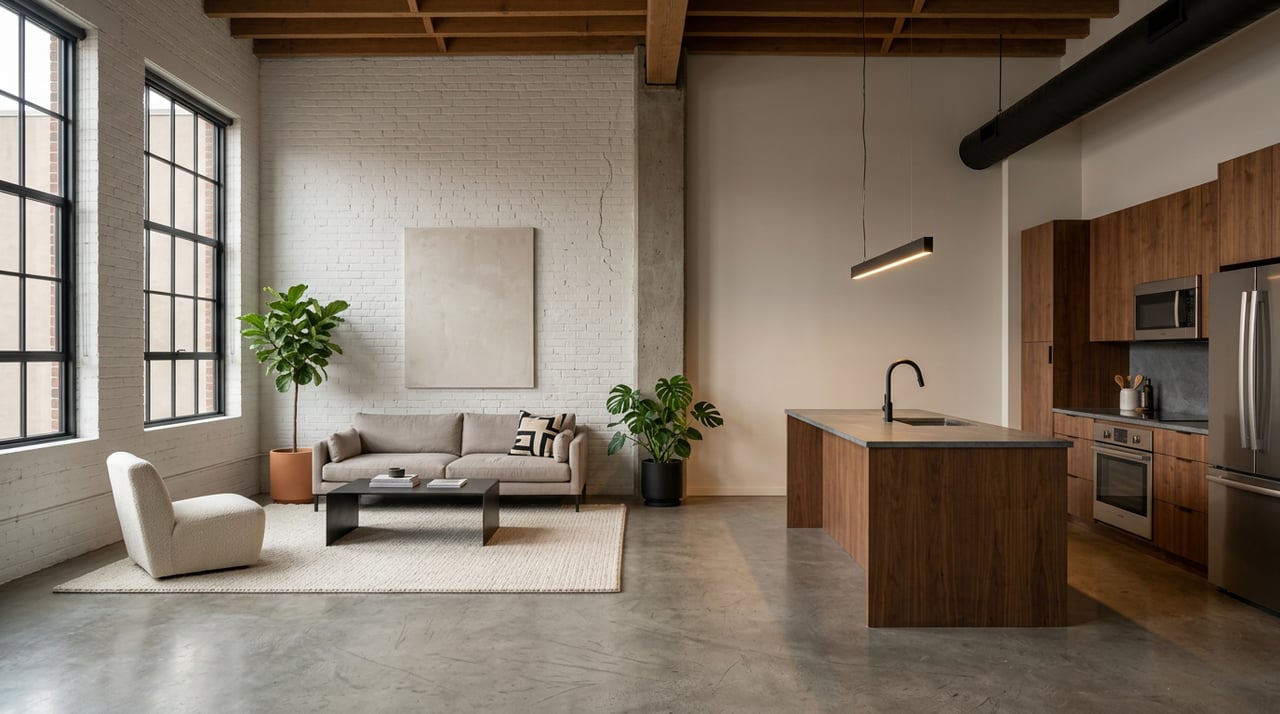
- Typical features: Exposed brick, heavy timber or concrete structure, very high ceilings, large industrial windows, polished concrete or wide-plank wood floors, visible ducts and pipes, and often a mezzanine level.
- Tradeoffs: Architectural character is a big draw, while older envelopes can mean more sound and temperature variation compared to newer buildings. Learn the core differences between hard and soft lofts here (loft type explainer).
Soft lofts or loft-style condos
- Origin: Purpose-built residences that borrow the loft aesthetic.
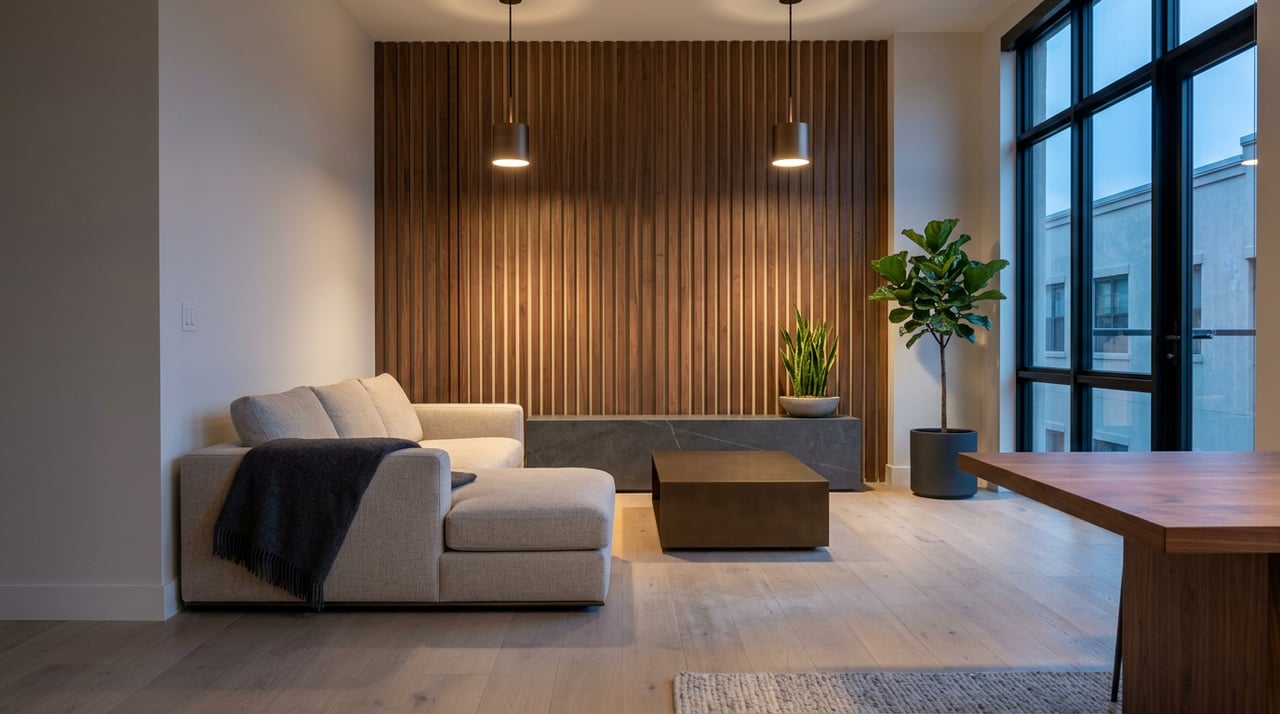
- Typical features: Open plans, higher ceilings than standard condos, floor-to-ceiling windows, modern HVAC and insulation, and building amenities like gyms, concierge and secured parking.
- Upside: Better energy performance and sound isolation than many conversions, with a cleaner, modern finish palette. See a simple overview of soft loft design and benefits (soft loft overview).
Common SoMa floor plans and finishes
- Main level: Open living and kitchen with an island, stainless appliances and visible architectural elements.
- Lofted spaces: Mezzanines often serve as a sleeping area or office. Ceiling height, rail design and light control affect day-to-day comfort.
- Baths: Range from minimalist industrial to modern spa-style.
- Extras: Deeded parking is valuable, in-unit laundry is common, and many buildings offer fiber internet, balconies or roof decks, plus shared amenity spaces.
What renters love and what to weigh
Top attractions
- Flexible space that makes entertaining easy.
- Abundant natural light from large windows.
- Industrial details that feel distinct from typical apartments.
- Central access to nightlife, museums and job centers, plus multiple transit options.
Practical tradeoffs
- Noise and privacy: Open layouts mean less separation between spaces, and street or building activity can carry, especially on event days. If you plan to live near the convention core, check noise at different times and review the venue’s event activity to set expectations (Moscone event reference).
- Heating, cooling and utilities: Older conversions can be less efficient than newer soft-loft buildings. Ask about recent HVAC or window upgrades and typical utility costs (hard vs. soft loft performance).
- Storage: Some lofts trade closets for open volume. Confirm in-unit storage, building lockers and any HOA storage rules.
- Parking: On-site or deeded parking is scarce and valuable. If it matters to you, prioritize it early in your search.
Market snapshot for 2026
- Ownership: Neighborhood median sale price about $866,000 based on a Redfin SoMa snapshot accessed March 2026. Expect higher or lower prices by micro-area and building type.
- Rents: Based on Zumper’s SoMa summary updated March 15, 2026, studios and one-bedrooms commonly list in the low-to-mid $3,000s to $4,000s, and two-bedrooms are frequently mid-$4,000s to $5,000s depending on building and amenities.
Why prices vary: SoMa is a collection of micro-markets. Historic conversions, loft-style mid-rises and luxury towers perform differently. Key drivers include parking, HOA amenities, seismic or systems upgrades, window condition, ceiling height, and whether the mezzanine adds real utility. When you compare listings, match like with like to make sense of the spread.
How to tour and evaluate a SoMa loft
Use this quick checklist on your first visit:
- Light and windows: Note orientation, window seals and glare control. Ask about any window replacements or permits.
- Sound: Visit at different times. Listen for street activity, mechanical noise and sound transfer between units.
- Mezzanine usability: Check ceiling height, rail design and egress. Make sure the layout works for sleep, work or both.
- Climate and systems: Test HVAC and water pressure. Ask for recent upgrade lists and utility averages.
- Storage and function: Count closets, look for built-ins and confirm building storage.
- Connectivity: Verify fiber or high-speed internet options and mobile reception.
- Live/work plans: If you intend to run a business from home, confirm the unit’s legal status and allowed uses under San Francisco’s Planning Code definitions for Live/Work (Planning Code Section 102).
Owner guide: Position your loft to win
Strong staging and high-quality media can lift views and shorten time on market. Industry surveys show that professional staging and robust photo or virtual tour packages increase engagement and can reduce days to offer (staging impact overview).
Loft-specific staging priorities
- Define zones: Use rugs, furniture groupings and low shelving to map living, dining, office and sleep areas within the open plan.
- Add softness: Area rugs, drapery and textiles warm up concrete, brick and steel while reducing echo.
- Highlight character: Aim light at brick or beams, and leave one or two walls clean so texture reads in photos.
- Stage the mezzanine: Present it clearly as a bedroom or a work-from-home suite.
- Keep a neutral palette: Subtle walls and coordinated accents let buyers imagine their own style.
- Declutter and clean: Clear surfaces and spotless windows make the volume feel bigger and brighter.
Photography and media that sell the volume
- Shot list: Wide overall of the main room showing full ceiling height, kitchen with island, mezzanine from above and below, primary bath, outdoor spaces, amenities and parking or entry. Add a clear 2D floor plan and a short walk-through clip. See pro interior tips to keep lines straight and rooms bright (interior photography guide).
- Technique: Use a tripod, shoot RAW, mix wide compositions with detail shots of brick, beams and fixtures, and bracket exposures to balance window light.
- 3D tours and virtual staging: Add a Matterport or similar 3D tour to boost engagement and pre-qualify showings. If you use virtual staging, label images clearly (why buyers love 3D tours).
Listing language that captures value
Lead with specifics buyers and renters use to compare:
- Ceiling height in feet and the presence of brick, timber or concrete details.
- Square footage and how the mezzanine contributes to usable space.
- Parking details, amenity package and any recent building upgrades.
- Transit access, including proximity to Caltrain, Muni and Central Subway connections.
For hard lofts, emphasize authenticity and architectural character. For soft lofts, highlight modern systems, energy performance and amenities. Using the right terms sets expectations and attracts the right audience.
Legal and building checks before you sign
- Live/work status and zoning: San Francisco defines Live/Work units and regulates permitted uses. If you plan to run a business from home, verify what is allowed and how the unit is classified under the Planning Code (Live/Work definitions).
- Rent control and occupancy protections: San Francisco’s Rent Ordinance has a key date. Units first lawfully occupied after June 13, 1979 generally fall outside annual rent increase limits, though eviction protections may still apply. Ask for documentation and confirm status with the Rent Board or official city resources (rent stabilization overview).
- Building safety and retrofit history: Many conversions are decades old. Request permits and disclosure packages for seismic work, roof, windows, plumbing and electrical. When in doubt, consult public records through the Department of Building Inspection or HOA engineering reports (DBI records portal).
Ready for local help?
If you want a clear read on today’s SoMa loft options or a fast, market-savvy plan to lease your loft, you do not have to go it alone. As a boutique, leasing-first broker focused on San Francisco micro-markets, I help landlords reduce vacancy with targeted staging and media, and I guide renters toward good-fit homes with fewer surprises. When you are ready, connect with Ray Amouzandeh to get a fast leasing plan and schedule a free consultation.
FAQs
Are SoMa lofts a good investment in 2026?
- Lofts can perform well due to location and unique finishes, but returns vary by building type, parking, HOA costs and condition; use recent neighborhood snapshots and building-level comps to set expectations.
What should I check during a SoMa loft tour?
- Test natural light, window seals, HVAC, sound transfer, mezzanine height and egress, storage, water pressure and exposed finishes; confirm any Live/Work use under Planning Code Section 102 before committing (Live/Work definitions).
How much do staging and 3D tours help a loft listing?
What affects rent control status for a SoMa loft?
- Rent control depends on when the unit was first lawfully occupied and conversion history; ask for documentation and verify with official city resources before signing (rent stabilization overview).
How can renters manage noise in open-plan lofts near event areas?
- Visit at different times, ask about window upgrades, consider soft furnishings for sound absorption, and review event activity at major venues to plan around peak times (Moscone event reference).