Short Term Or Long Term Leasing In The Marina
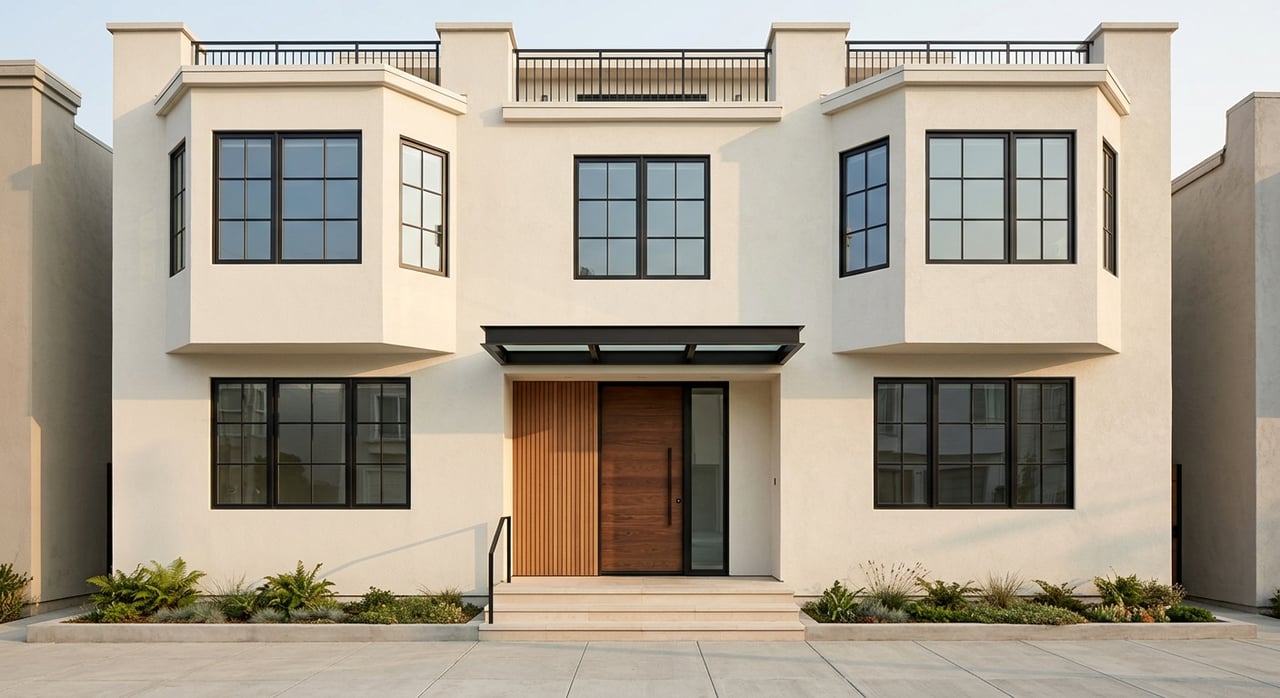
Trying to decide between short-term and long-term leasing in the Marina? It is a smart question, especially when rents are high and every vacant week can affect your annual return. If you own a condo, single-family home, or small investment property in this part of San Francisco, the right leasing model depends on more than revenue potential alone. You also need to weigh local rules, day-to-day workload, and how much flexibility you actually want. Let’s break it down.
The Marina remains one of San Francisco’s higher-priced rental areas, which raises the stakes for pricing and vacancy decisions. As of March 2026, Zumper reported Marina median rent at $3,247, with a 1-bedroom averaging about $3,695.
In practical terms, that means lost time on market can be expensive. Whether you choose a short-term or long-term strategy, getting the unit positioned correctly from the start matters. For many owners, the best leasing plan is the one that reduces downtime and avoids preventable compliance issues.
In San Francisco, a short-term residential rental means a stay of less than 30 nights. That sounds simple, but the legal framework is much narrower than many owners expect.
According to the San Francisco Office of Short-Term Rentals FAQ, only a permanent resident may host. The host must live in the unit at least 275 nights per calendar year, must have lived there for at least 60 consecutive nights before applying, and may rent only one residential unit.
If you plan to rent out the entire home or leave guests un-hosted, the city also limits that activity to 90 nights per calendar year. Hosts must also hold a business registration certificate, short-term rental certification, and at least $500,000 in liability insurance.
Short-term leasing can make sense if you are the permanent resident, your property is legally eligible, and you want flexibility. Because pricing is based on shorter stays, some owners may be able to adjust rates faster than they could with a standard annual lease.
That flexibility can be useful if your schedule changes or if you plan to use the home personally for part of the year. It can also appeal to owners who are comfortable operating the property more like a hospitality business than a traditional rental.
The trade-offs are significant. Short-term rentals usually involve more turnover, more cleaning, more guest communication, and more calendar management.
San Francisco also imposes ongoing tax and reporting obligations. The city requires a 14% transient occupancy tax on stays under 30 days, along with quarterly reporting for certified hosts and a separate business personal property filing tied to short-term rental activity, according to the Office of the Treasurer & Tax Collector.
There is also meaningful compliance risk. The city notes that violations can result in daily penalties of at least $484 per unit, and hosts may be required to provide records such as booking calendars and reservation schedules, as explained in the certified host requirements.
Perhaps the biggest issue for many Marina landlords is eligibility. If the property is a typical vacant investment unit and you do not live there as your permanent residence, it often is not a legal short-term rental candidate under San Francisco rules.
For many Marina owners, long-term leasing is the simpler and more practical option. A standard lease usually involves fewer turnovers, less operational friction, and a more predictable income pattern.
That does not mean it is regulation-free. San Francisco and California both have tenant protections that can affect rent increases, notices, and tenancy changes.
The City and County of San Francisco states that many residential units built on or before June 13, 1979 are subject to rent control and eviction protection. For rent-controlled units, the allowable annual increase is 1.6% for the period from March 1, 2026 through February 28, 2027.
The same city guidance also says there is no limit on the initial rent when a vacant covered unit is first leased. That point matters if you are bringing a Marina property to market and want to set pricing correctly at the start.
If your unit is not covered by local rent control, state law may still apply. Under California Civil Code Section 1947.12, AB 1482 limits annual rent increases to 5% plus local CPI or 10%, whichever is lower, and adds just-cause protections for covered tenancies.
The biggest benefit of long-term leasing is predictability. You generally have fewer cleanings, fewer handoffs, and less frequent marketing once a tenant is placed.
For landlords focused on steady cash flow and lower day-to-day involvement, that can be a major advantage. In a neighborhood like the Marina, where rents are already strong, many owners decide that operational simplicity is worth more than the theoretical upside of nightly pricing.
The downside is reduced flexibility. Once your tenant is in place, rent changes and tenancy decisions are governed by local and state rules.
San Francisco also makes clear that ending a tenancy is a legal process in many situations. According to the city’s overview of just-cause evictions, the expiration of a lease by itself does not automatically end the tenancy.
If you are comparing both options, it helps to step back and think about your real goal. Are you trying to maximize flexibility, reduce vacancy, limit management time, or create the most stable income stream?
Here is a simple comparison:
| Factor | Short-Term Leasing | Long-Term Leasing |
|---|---|---|
| Legal eligibility | Narrow, mostly tied to permanent residents | Broader and more practical for many landlords |
| Income structure | Nightly or weekly | Monthly rent |
| Management load | High | Lower |
| Turnover | Frequent | Less frequent |
| Compliance burden | High | Moderate to high depending on unit status |
| Flexibility | Higher | Lower |
| Predictability | Less predictable | More predictable |
For many investor-owned Marina properties, long-term leasing is the default choice because it is easier to operate within San Francisco’s rules. Short-term leasing may still work in specific owner-occupied situations, but it requires careful underwriting after taxes, insurance, turnover, and compliance costs.
Before choosing a leasing model, ask yourself these three questions:
Is the unit legally eligible for short-term use?
If the answer is no, the decision may already be made.
Can you handle the operational load?
Short-term rentals require more hands-on coordination and faster response times.
What matters most: flexibility or stability?
If your goal is steady cash flow with fewer moving parts, a traditional lease may be the better fit.
In a high-rent neighborhood, leasing decisions should not be based on gross revenue alone. Vacancy loss, time spent managing the property, and legal compliance can all change the real return.
That is why many Marina owners benefit from a practical, leasing-first strategy. The right approach is usually the one that gets your property to market quickly, positions it correctly, and matches your risk tolerance and management style.
If you want help evaluating your Marina rental, marketing it effectively, and reducing time on market, Ray Amouzandeh offers leasing-focused support built around fast tenant placement and flexible landlord services.


We represent many of the best apartments, condominiums, and single-family rental homes throughout the city, specializing in sought-after communities in San Francisco. Contact us today to find out how we can be of assistance to you!