Mission Bay Condos As Long-Term Rental Investments
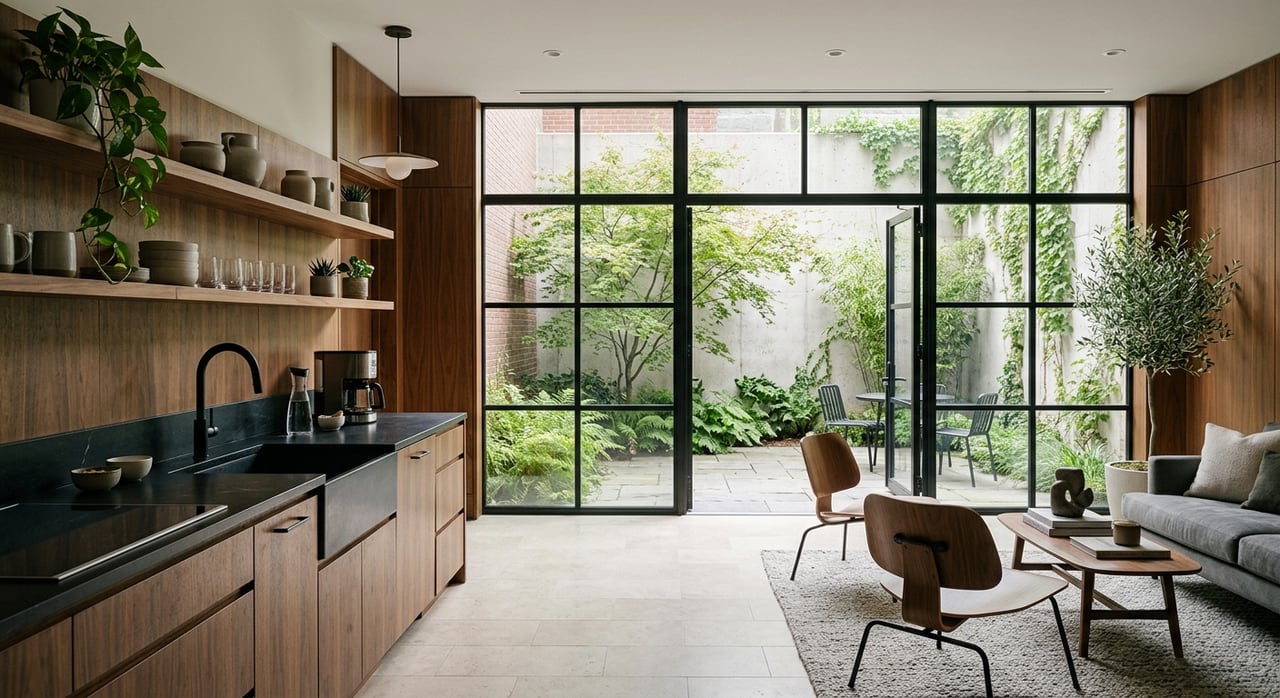
If you are looking at Mission Bay condos as long-term rental investments, the big question is simple: do the rents justify the carrying costs? That is a smart question, especially in a San Francisco neighborhood where newer buildings, strong tenant demand, and premium amenities can push rents up, but HOA dues and property taxes can also take a real bite out of monthly cash flow. In this guide, you will get a practical look at how Mission Bay fits into a buy-and-hold strategy, what kinds of units tend to rent well, and what numbers matter most before you buy. Let’s dive in.
Mission Bay stands out because it is one of San Francisco’s newer, waterfront-oriented neighborhoods with a large supply of modern housing. According to SF.gov, the redevelopment area has added more than 6,000 housing units since 2000, including more than 1,500 affordable homes. That newer housing stock gives landlords something many older San Francisco neighborhoods cannot offer as consistently: turnkey condos with modern layouts and building amenities.
The neighborhood also benefits from a strong employment and transit story. UCSF reports a daily Mission Bay campus population of roughly 3,500 to 4,000 faculty, staff, students, patients, and visitors, and SFMTA shows the T Third Street line serving the area, including stops at UCSF/Chase Center and UCSF Medical Center. Caltrain also places Mission Rock about a 10-minute walk from 4th and King Station, which helps support demand from commuters and other professionals who want convenience.
That combination matters for landlords. In practical terms, Mission Bay tends to attract renters who value newer construction, transit access, and proximity to major employers. This is a neighborhood where tenants often pay a premium for ease, condition, and amenities rather than hunting for the lowest rent in the city.
Public rent data shows Mission Bay firmly in the premium tier of the San Francisco rental market. Zumper reports a median rent of $5,495 per month in Mission Bay. Apartments.com shows average rents around $4,716 for a one-bedroom and $6,122 for a two-bedroom.
Those figures come from different data methods, so it is better to treat them as a range than as one exact market rent. Even so, the takeaway is consistent: Mission Bay rents are high by city standards. For comparison, Zumper places San Francisco citywide median rent at $3,995, with South Beach at $4,800 and Dogpatch at $4,465.
For investors, this supports a clear positioning. Mission Bay is not usually the low-cost entry point or the bargain-yield play. It is more often an amenity-driven rental market where strong gross rents can help offset high ownership costs.
Mission Bay condo inventory is dominated by newer studio, one-bedroom, two-bedroom, and some three-bedroom homes in larger buildings. Public listings in the neighborhood show common layouts from roughly 700 to more than 1,300 square feet, often with parking and balcony or patio options. SF Planning has also described Mission Bay as a renter-heavy neighborhood, with a 67% renter-occupied profile in the 2012 to 2016 ACS snapshot.
That renter-heavy makeup is useful because it suggests the area is already normalized as a leasing market. You are not buying into a neighborhood that depends mostly on owner-occupants. Instead, you are looking at a submarket where rental demand is part of the area’s identity.
One-bedroom units are often a natural fit for single professionals, nearby UCSF and biotech employees, and hybrid commuters. In a neighborhood with strong transit access and modern buildings, this unit type can appeal to renters who prioritize convenience and low-maintenance living. If the condo also includes in-unit laundry, parking, or a private outdoor space, that can strengthen its appeal.
Two-bedroom units tend to open the door to couples, roommates, and small households looking for extra flexibility. In Mission Bay, this can be an attractive format because renters may want space for a home office, shared living arrangement, or visiting guests. In a premium neighborhood, the second bedroom often supports higher rent more effectively when the unit also comes with parking and building amenities.
Three-bedroom condos are less common in Mission Bay. When they do come to market, they are more likely to attract higher-income households seeking more space or longer-term shared living arrangements. Because this segment is thinner, pricing and marketing need to be handled carefully, but the right unit can still fill a specific niche.
Before you get too attached to the idea of premium rents, it helps to start with a simple first-pass screen. Redfin shows a current Mission Bay condo median listing price of $899,000. If you compare that with Zumper’s median rent of $5,495 per month, the rough gross rent yield comes out to about 7.3% before HOA dues, property tax, vacancy, maintenance, insurance, and financing.
That number is not your net return. It is just a quick way to compare Mission Bay with other condo submarkets. Still, it gives you a useful starting point when deciding whether the neighborhood deserves deeper underwriting.
Mission Bay condos often come with meaningful recurring costs, and HOA dues are a big one. Current public listings in the neighborhood show HOA fees ranging from the high $600s to more than $1,300 per month. Some buildings may also include separate parking fees, move-in or move-out charges, or other building-specific costs.
This is where many first-pass analyses fall apart. A condo may show strong rent on paper, but if the HOA is high, your monthly margin can narrow quickly. In Mission Bay, that is especially important because the neighborhood’s newer, amenity-rich buildings often carry higher operating costs.
San Francisco’s FY2025 to 2026 secured property tax rate is 1.18268325%. On a hypothetical $899,000 purchase, that works out to about $10,632 per year, or roughly $886 per month, before HOA dues and insurance. If you pair that tax estimate with a $693 monthly HOA, your combined fixed carrying cost is already about $1,579 per month before repairs, vacancy, insurance, or debt service.
That is why Mission Bay underwriting needs to be disciplined. Premium rent helps, but premium rent does not automatically equal strong cash flow. Taxes and HOA dues can materially compress your returns.
A current one-bedroom example at 110 Channel Street #417 shows a Zillow Rent Zestimate of $5,239, an HOA fee of $693 per month, and 2025 property tax of $13,497. That means property tax plus HOA comes to about $1,818 per month, leaving roughly $3,421 before insurance, maintenance, vacancy, leasing costs, and mortgage payments.
A current two-bedroom example at 1000 3rd Street Unit 415 shows a Zillow Rent Zestimate of $7,350, an HOA fee of $904 per month, and 2025 property tax of $20,333. In that case, property tax plus HOA totals about $2,598 per month, leaving around $4,752 before other costs.
These examples are not forecasts, and they should not be treated as guarantees. They do show the basic Mission Bay pattern clearly: rents can be strong, but the fixed ownership expenses are substantial enough that you need a careful, property-specific review before buying.
Mission Bay is a newer neighborhood, and that can matter under the San Francisco Rent Ordinance. SF.gov states that residential units first constructed after June 13, 1979 are generally exempt from the ordinance’s rent-increase limitations, though they are not exempt from just-cause eviction provisions. SF.gov also notes that the annual Rent Board fee is collected for these units.
For many Mission Bay condos, that post-1979 timeline may apply. Still, you should confirm the building’s certificate of occupancy date and review any building-specific determination before assuming an exemption. This is one of those details that can affect long-term rental strategy in a meaningful way.
Another key step is reviewing the building’s CC&Rs and leasing restrictions before you buy. Public listings in Mission Bay sometimes mention rental restrictions or board approval language. That means you should not assume every condo can be leased on the same terms, even within the same neighborhood.
For landlords, this is more than a paperwork issue. Building rules can affect how quickly you can place a tenant, what kind of lease structure works, and whether there are added move-in, move-out, or administrative costs. In a neighborhood where speed-to-lease matters, those details can directly affect your holding costs.
Mission Bay often performs like an amenity premium market. Current listings in the area commonly highlight features such as water or skyline views, private balconies or patios, in-unit laundry, air conditioning, dedicated parking, storage, bike storage, concierge service, fitness centers, pools, spas, saunas, guest suites, resident lounges, and business centers.
These features help explain why Mission Bay often commands stronger rents than older or less amenitized nearby submarkets. Renters here are often paying for a full package, not just square footage. If your condo offers the features tenants consistently value, your pricing power and leasing speed may improve.
Compared with nearby neighborhoods, Mission Bay tends to sit at the higher end of the rental spectrum. Zumper’s current numbers place Mission Bay median rent at $5,495, compared with $4,800 in South Beach and $4,465 in Dogpatch. That supports the idea that Mission Bay benefits from its newer inventory and strong amenity profile.
For investors, this creates a clear tradeoff. Mission Bay may offer stronger headline rents, but it can also come with higher entry costs and higher monthly carrying expenses. If your goal is stable demand and a more modern condo product, Mission Bay may fit well. If your goal is pure bargain pricing, it may not.
Mission Bay can make sense as a long-term rental investment if you approach it with realistic expectations. The neighborhood offers strong rent levels, a renter-heavy profile, access to major employers, and the kind of newer building stock that many tenants prefer. Those are real advantages for buy-and-hold owners.
At the same time, this is not a set-it-and-forget-it numbers game. HOA dues, property taxes, vacancy risk, insurance, maintenance, and building rules all need to be part of the analysis. The best opportunities are usually the condos where the amenity package and location support premium rent, while the fixed monthly costs remain manageable.
If you own a Mission Bay condo or are thinking about buying one, local leasing strategy matters just as much as the purchase price. Smart pricing, strong marketing, and a fast placement process can make a real difference in reducing vacancy and protecting your return. If you want a practical leasing plan for your Mission Bay rental, connect with Ray Amouzandeh for local, hands-on guidance.


We represent many of the best apartments, condominiums, and single-family rental homes throughout the city, specializing in sought-after communities in San Francisco. Contact us today to find out how we can be of assistance to you!