Mission Bay Apartment Living: What Renting Here Feels Like
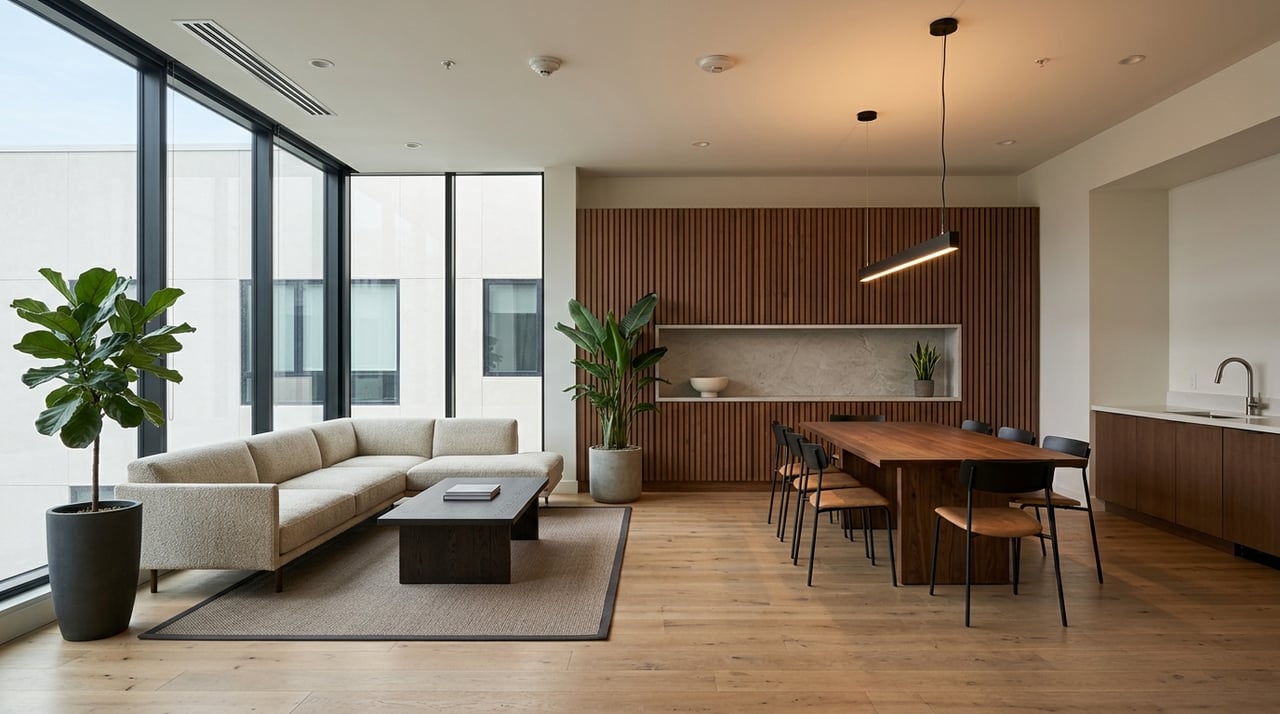
If you are thinking about renting in Mission Bay, the first thing to know is simple: this is not the San Francisco apartment search most people picture. Instead of older walk-ups and patchwork layouts, you will find a newer waterfront neighborhood built around modern apartments, parks, transit, and major destinations like UCSF and Chase Center. If you want to know what daily life, rent, commuting, and the overall feel are really like, this guide will help you sort through it clearly. Let’s dive in.
Mission Bay stands out because it was planned as a mixed-use waterfront district with housing, neighborhood services, transit, walking, and biking built into the area. That gives it a different rhythm from many older San Francisco neighborhoods. You get a more intentional, purpose-built environment instead of traditional row-house streets.
For many renters, that means a polished and modern experience. Buildings often feel more consistent in layout, access, and maintenance, which can be appealing if you are relocating or want fewer surprises during your apartment search.
The housing stock in Mission Bay is dominated by newer apartment buildings. The most common layouts are studios, one-bedroom, and two-bedroom units, though some communities also offer three-bedrooms and townhomes.
As of June 2026, reported average unit sizes are about 494 square feet for studios, 689 square feet for one-bedrooms, 1,019 square feet for two-bedrooms, and 1,589 square feet for three-bedrooms. That range gives you options, but the neighborhood is especially geared toward renters who want efficient modern layouts rather than older, highly varied floor plans.
Mission Bay apartments are often amenity-driven. Many buildings market features like in-unit washers and dryers, stainless appliances, quartz counters, balconies or patios, coworking lounges, package lockers, fitness centers, pools, spas, courtyards, resident lounges, pet amenities, and on-site retail.
That does not mean every building offers the same setup. Still, if you are choosing Mission Bay, you are often paying for convenience, building services, and shared amenities as much as the apartment itself.
Mission Bay sits in the higher-priced tier of the San Francisco rental market. As of June 2026, RentCafe reports an average rent of $4,908 per month in the neighborhood.
Other trackers show different averages by unit type, but they point in the same direction. Apartments.com lists average rents of $3,543 for studios, $4,840 for one-bedrooms, $6,314 for two-bedrooms, and $6,718 for three-bedrooms.
When rents are this high, you are usually paying for a specific package of benefits:
If your budget is tight, Mission Bay may feel challenging. If your top priorities are a modern building, easy commuting, and a cleaner apartment search process, the pricing may make more sense.
One of the strongest parts of living in Mission Bay is the open-space network. The neighborhood includes Mission Creek Park North and South, Mission Bay Kids Park, Berry Street and Channel Street dog parks, Mission Bay Commons, and Mariposa Park.
San Francisco Recreation and Park describes this network as a 24-acre system with lawn areas, picnic sites, plazas, waterfront views, sport courts, esplanades, a boathouse and boat launch, playground space, and dog parks. For renters, that translates into a neighborhood where it is easy to get outside without leaving the area.
Mission Bay Commons is more than just a patch of grass. It offers over two acres of lawn and picnic space, is open from 6 a.m. to 10 p.m., and allows dogs on leash.
The surrounding area also currently hosts SPARK Social SF, Stagecoach Greens mini golf, Urban Sprouts Community Garden, and SFF soccer fields. Those uses help Mission Bay feel more lived-in and social, especially in a district where many buildings can look sleek and similar from the outside.
Another important part of the Mission Bay experience is that it is still growing into itself. According to Rec and Park, the remaining future parks are being designed as part of a more permanent park system, with late 2028 target timing for the remaining pieces.
That means the neighborhood is not static. If you rent here, you may benefit from a location that continues adding public amenities over time.
Mission Bay works well for basic day-to-day convenience. Gus’s Mission Bay Market at 4th and Channel is a useful local grocery option and lists hours from 7 a.m. to 9 p.m.
For dining and socializing, Thrive City surrounds Chase Center with retail and restaurants. Nearby Dogpatch also adds more coffee shops, bakeries, bars, and restaurants, giving you extra options within easy reach.
Mission Bay is not just residential. Chase Center and Thrive City bring year-round activity to the area, including games, concerts, and large events.
That energy is a plus for some renters and a drawback for others. If you like being near events, dining, and a livelier atmosphere, the neighborhood can feel exciting. If you want a consistently quiet environment, you should expect occasional bursts of noise, traffic, and crowds, especially closer to the arena.
Mission Bay is unusually transit-friendly for a newer waterfront neighborhood. The T Third Street line serves the area, and the Central Subway extends that service from Sunnydale to Chinatown.
UCSF also lists Mission Bay as served by the T Third line plus the 22 and 55 bus routes. That gives renters multiple ways to move through the city without relying on a car every day.
One reason Mission Bay appeals to relocating professionals is its connection to Caltrain. According to Chase Center transit information, Caltrain’s San Francisco Station is about a 15- to 20-minute walk from Chase Center.
That can make Mission Bay a practical choice if you split your time between San Francisco and Peninsula job centers. It is also useful if you want access to regional transit without living right on top of a major terminal.
Mission Bay and neighboring Dogpatch are notably flat by San Francisco standards. That makes walking and biking more practical than in many hillier parts of the city.
If you value a neighborhood where getting around on foot feels manageable, Mission Bay checks that box. The flat terrain is a quiet but meaningful quality-of-life advantage.
The tradeoff for strong transit and entertainment access is that event days can change how the neighborhood feels. SFMTA notes that Chase Center hosts year-round events and that special event service is coordinated to help move people through the area.
Even with that planning, renters should still expect short periods of crowding, rideshare traffic, and street management on game nights and concert nights. It is usually temporary, but it is part of the reality of living here.
Mission Bay can be a strong fit if you want a newer building, relatively predictable maintenance, and quick access to UCSF, SoMa, Oracle Park, and the Chase Center district. It can also work well if you are relocating and want a neighborhood that feels straightforward to navigate.
Because so many buildings share a modern style, the area often appeals to renters who value convenience and consistency over historic charm. That does not make it better or worse than other neighborhoods, but it does make it distinct.
For households looking for outdoor space, Mission Bay offers a practical mix of parks, dog parks, and a kids park. That can make daily routines easier if you want room to walk, play, or spend time outside close to home.
The planned Mission Bay Elementary School at 1415 Owens Street is scheduled to open in August 2026 and is intended to grow into a full TK-5 campus by 2032. At the same time, SFUSD describes Mission Bay as one of the city’s fastest-growing areas with strong demand for neighborhood seats, so school assignment and enrollment timing are important details to track.
Many Mission Bay buildings can look similar at first glance. The finishes are often modern, the amenities overlap, and the marketing language can blur together.
That is why the real differences usually come down to details that affect your day-to-day life and total monthly cost.
Before you choose a building, it helps to compare:
A building that looks nearly identical online may feel very different once you factor in noise exposure, access, convenience, and total cost.
In practical terms, renting an apartment in Mission Bay often means choosing a modern, high-cost, convenience-driven lifestyle. You get newer buildings, strong access to parks and transit, and a location shaped by waterfront planning, UCSF, and arena activity.
You also need to be comfortable with premium rents and occasional event-related congestion. If that tradeoff works for you, Mission Bay can offer one of the more polished and easy-to-navigate rental experiences in San Francisco.
If you want help comparing Mission Bay rentals, narrowing down buildings, or finding a place that fits your move-in timeline, Ray Amouzandeh can help you make the search more efficient and informed.

We represent many of the best apartments, condominiums, and single-family rental homes throughout the city, specializing in sought-after communities in San Francisco. Contact us today to find out how we can be of assistance to you!