Potrero Hill Leasing Plan For Small Multi-Unit Buildings
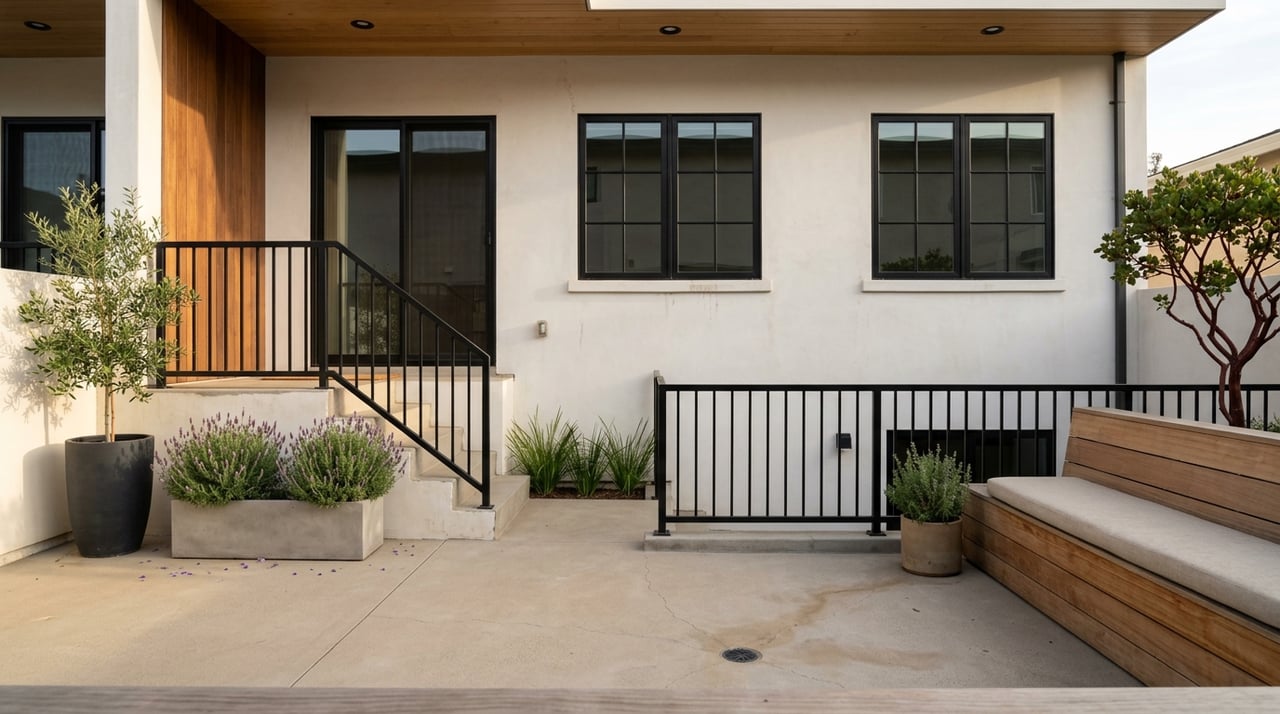
Looking at a vacancy in Potrero Hill and wondering how to lease it quickly without getting sloppy on compliance? That is a common challenge for owners of small multi-unit buildings, especially in a neighborhood where light, views, stairs, and rent-law details can shape renter demand. If you want a leasing plan that helps you market clearly, screen consistently, and protect your timeline, this guide will walk you through the essentials. Let’s dive in.
Potrero Hill is not a one-size-fits-all rental market. San Francisco planning materials describe it as a largely residential neighborhood with tree-lined streets, strong bay and downtown views, and a steep south-facing slope. The southern part of the neighborhood is also known for sunnier and warmer conditions, gardens, and more crosstown transit patterns rather than simple direct-to-downtown travel.
For a landlord, that means renters may weigh practical details more heavily than you expect. Natural light, outdoor space, parking, storage, hill access, and commute clarity are often central selling points, not side notes. In a small multi-unit building, those details can make the difference between a listing that sits and one that gets strong interest fast.
The neighborhood profile also helps explain who may be shopping for rentals here. Potrero Hill had 6,070 households, with an average household size of 2.3, plus a mix that included single-person households and households with children. The housing stock includes a meaningful share of smaller multi-unit buildings, with 35% of structures in the 2 to 4 unit range, 9% in the 5 to 9 unit range, and 8% in the 10 to 19 unit range.
That is useful because it points to a renter pool that may care about finish quality, usability, and convenience. At the same time, newer housing supply has been added in the neighborhood, so older buildings are not only competing with other classic San Francisco properties. They may also be competing with newer units that offer updated amenities and polished presentation.
Before you write marketing copy or schedule photos, confirm the basics of the building and unit. That means the building age, unit count, current occupancy status, and likely rent-law coverage. In Potrero Hill, where many buildings are older, assuming a unit is market-rate without checking can create avoidable problems.
San Francisco states that many residential units built on or before June 13, 1979 have both rent control and eviction protection. Units built after that date, along with some single-family homes and condos, may have only eviction protection or may be exempt. The practical move is simple: verify coverage building by building.
This early audit should also include your compliance workflow. If the property has occupied units, annual reporting and licensing requirements can affect how you handle rent increases and records. Putting those tasks into your leasing timeline helps you avoid last-minute scrambling.
In a small multi-unit building, each unit may lease for different reasons. A rear unit with garden access may attract attention for outdoor space, while an upper unit may stand out because of light or skyline views. That is why a unit-by-unit feature sheet is so useful.
Before photos, create a plain-language inventory for each unit. Include view direction, natural light, outdoor space, parking, storage, laundry, bike storage, and any access issues related to stairs or steep streets. In Potrero Hill, those features are directly tied to how people experience the neighborhood day to day.
This is also the moment to tighten your commute narrative. Since planning and transportation materials note more crosstown travel patterns and limited direct connectivity in parts of southern Potrero Hill, you want to explain location and access clearly. The goal is not hype. It is clarity that helps renters picture daily life.
In Potrero Hill, presentation matters because the neighborhood’s strongest features are visual and lifestyle-based. Daylight photography usually gives you the best chance to show off views, sunlight, and outdoor areas. If a building has upgraded common areas, clean exterior lines, or an attractive shared yard, make sure those are captured too.
Your copy should stay specific and factual. If the unit has a partial downtown view, say partial downtown view. If it has roof access, say roof access only if that access is actually available to the tenant. The best listings reduce friction because the renter knows what is real before they ever schedule a showing.
A strong listing for Potrero Hill often leads with a few simple differentiators:
That approach helps older buildings compete more effectively with newer product. You do not need to pretend an older unit is something it is not. You need to present its strengths cleanly and confidently.
A good showing starts before the renter arrives. In Potrero Hill, access can be part of the decision, so logistics should be easy to understand in advance. Let prospects know where to park, which entrance to use, how many stairs to expect, and whether the unit sits uphill or downhill from the street.
Try to schedule showings in daylight whenever possible. That gives you the best chance to highlight sunlight, views, and exterior context. It also helps renters understand the property’s surroundings and how the building feels during a normal day.
For small multi-unit owners, this is one of the simplest ways to improve speed-to-lease. Better-informed prospects often make faster, cleaner decisions because there are fewer surprises during the tour.
Once a unit is available, your screening process should be written, consistent, and easy to follow. California Civil Code 1950.6 requires important guardrails around application screening fees. A fee can be charged only when a unit is actually available, and the landlord must provide the screening criteria in writing.
The law also provides compliant paths for handling applications. You may consider complete applications in order and approve the first qualified applicant, or refund the fee to any applicant not selected within the required time frame. A receipt is required, and a copy of the credit report must be provided within seven days.
Consistency matters for more than organization. California Civil Rights guidance says fair housing rules apply to landlords, tenant screening companies, and real estate agents, and housing providers may not discriminate based on protected characteristics or source of income. For criminal history, blanket bans or automatic rejection rules are not allowed. Reviews must be individualized and tied to a legitimate, non-discriminatory reason.
In San Francisco, leasing is as much a documentation process as a marketing process. Once you select a tenant, the move-in packet should be clear, complete, and easy to use. That protects both sides and reduces confusion in the first few weeks of the tenancy.
A practical move-in packet may include the signed lease, rent due date, key delivery, utility instructions, parking rules, package guidance, trash and recycling instructions, emergency contacts, and a move-in condition checklist. For tenancies beginning on or after July 1, 2025, California law also requires photographs of the unit immediately before or at the start of the tenancy.
Security deposit handling is especially important. California Civil Code 1950.5 now limits security deposits to one month’s rent in most cases, with a narrow exception for small landlords who own no more than two residential rental properties totaling no more than four dwelling units. In San Francisco, security deposit interest also applies to all residential rental units except subsidized units, including units exempt from the Rent Ordinance.
When the tenancy ends, the remaining deposit and itemized statement generally must be returned within 21 days after move-out. Deductions are limited to authorized repairs, cleaning, or damage beyond ordinary wear and tear. Good move-in photos and written condition records make this much easier to handle correctly.
If your Potrero Hill unit is likely to be shared by roommates, your lease paperwork should address that reality clearly. San Francisco Rent Board guidance says tenants generally may replace or add roommates under Rent Ordinance procedures, and landlords cannot simply charge more rent because a new roommate moves in.
That does not mean you lose control of the process. It means your best protection comes from clear occupancy language, move-in forms, and a documented procedure for roommate changes. In practice, a well-written process works better than relying on a blanket no-sublet clause alone.
For a 2 to 12 unit building in Potrero Hill, the most effective leasing strategy is usually straightforward. Verify rent-law status first, build a detailed feature inventory for each unit, market with factual copy and daylight photos, run organized showings, publish screening criteria in writing, and document the move-in carefully.
That process fits the neighborhood. Potrero Hill renters often respond to light, views, outdoor space, and clarity around access. Owners usually benefit most when those features are paired with a leasing system that is fast, compliant, and well documented from start to finish.
If you own a small multi-unit building in Potrero Hill and want a leasing plan that reduces vacancy without creating unnecessary risk, working with a local leasing specialist can save time and keep the process on track. To get a fast leasing plan and clear next steps, schedule a free consultation with Ray Amouzandeh.


We represent many of the best apartments, condominiums, and single-family rental homes throughout the city, specializing in sought-after communities in San Francisco. Contact us today to find out how we can be of assistance to you!