Everyday Castro San Francisco Rental Living Guide
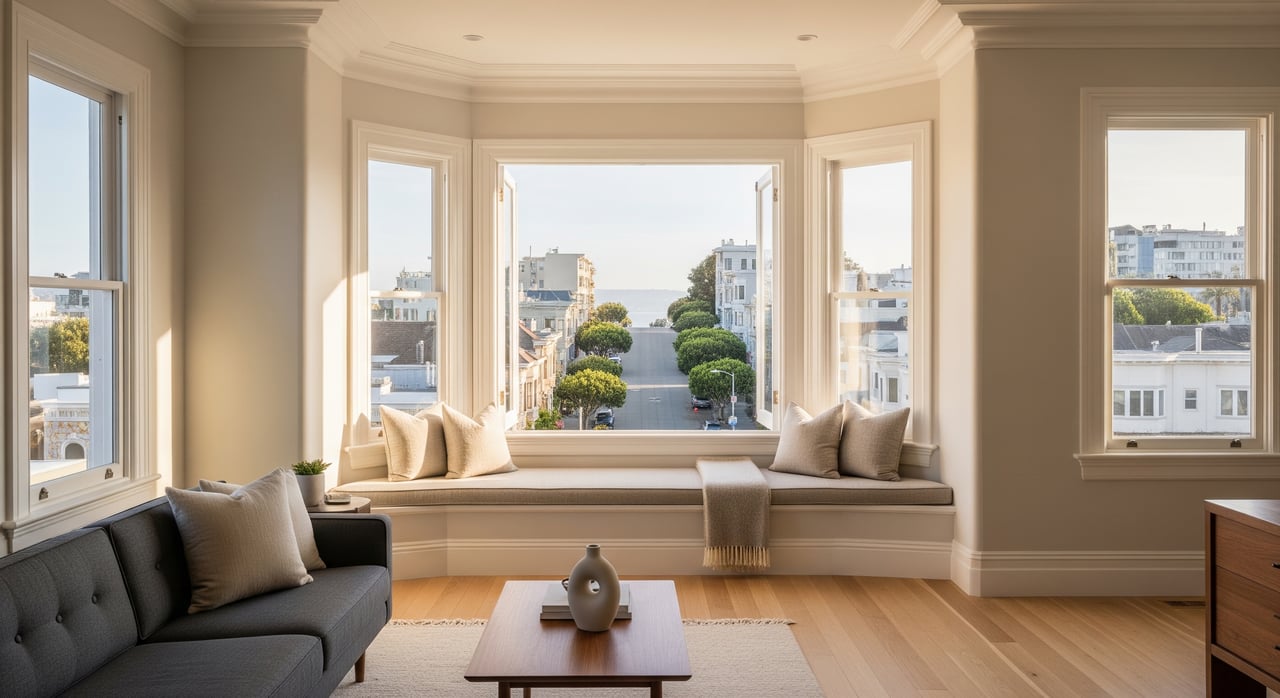
Thinking about renting in the Castro? Picture stepping out for coffee on Castro Street, hopping on Muni within minutes, and meeting friends at Dolores Park after work. If you want a central, walkable life with lively evenings and practical transit, this neighborhood delivers. In this guide, you’ll learn what everyday rental living looks like here, from transit and parks to building types, renter protections, budgeting, and smart move-in tips. Let’s dive in.
The Castro sits around Castro Street between Market Street and 18th Street, close to Mission Dolores, Noe Valley, and the Upper Market corridor. You get a commercial strip packed with cafés, restaurants, and local shops, plus residential blocks with older buildings.
The neighborhood is known for its LGBTQ+ history and landmarks like the Castro Theatre and Harvey Milk Plaza. You’ll also be close to Mission Dolores Park, a favorite for picnics and city views. Expect an active street life and a steady mix of long-term residents and newer renters.
Walkability is a major draw. Many daily errands can be done on foot, and public transit use is common. If you value a central location and a social environment, the Castro is a strong fit.
You have frequent Muni service, including an underground Muni station at Market and Castro that connects you to Market Street and downtown. Review routes and schedules on the SFMTA Muni map. If you need BART, you’ll typically transfer via Muni to downtown stations like Powell or Montgomery, or use ride-share when it makes sense.
The Castro scores high for walkability and transit access, which makes car-free living straightforward. See neighborhood walkability comparisons on Walk Score’s San Francisco page. There are bike lanes and racks around the area, though on-street secure bike storage can be limited. Many renters rely on a mix of walking, biking, and public transit for most trips.
Street parking is limited and competitive, especially close to Castro Street and Market. If you plan to keep a car, look into the city’s Residential Parking Permit program. Many older buildings do not include parking, and paid garage spots are in high demand, so factor those costs into your budget.
Grocery runs are simple, with small markets, specialty shops, and drugstores along Castro Street and nearby Market and Church corridors. Full-service supermarkets sit within a short transit ride in adjacent neighborhoods.
Dining options are plentiful, from quick cafés to sit-down restaurants and dessert spots. Nightlife is lively, with a cluster of bars and venues on and around Castro Street. The Castro Theatre hosts films and events, and neighborhood festivals often bring extra foot traffic.
If you prefer quieter evenings, look for units on side streets or higher floors. Ask about window quality and building policies if noise is a concern.
You’re a quick walk or ride from Mission Dolores Park, a major green space for sun, views, and meet-ups. Explore park updates and facilities through San Francisco Recreation & Parks. Smaller pocket parks and plazas, including the area around Harvey Milk Plaza, add to the neighborhood’s outdoor feel.
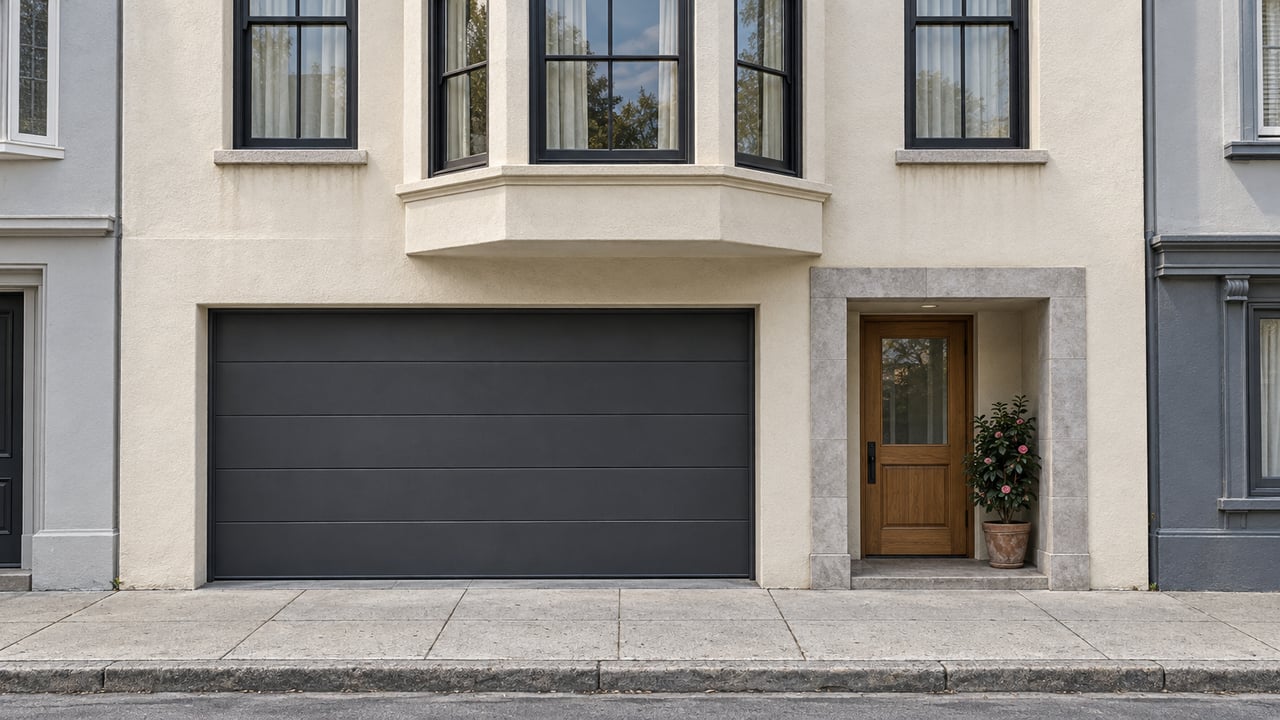
Most rentals are in older housing stock. You’ll see Victorian and Edwardian walk-up apartments and flats with period details. There are also small to mid-sized apartment buildings from different eras, plus some condos or loft-style units in mixed-use buildings.
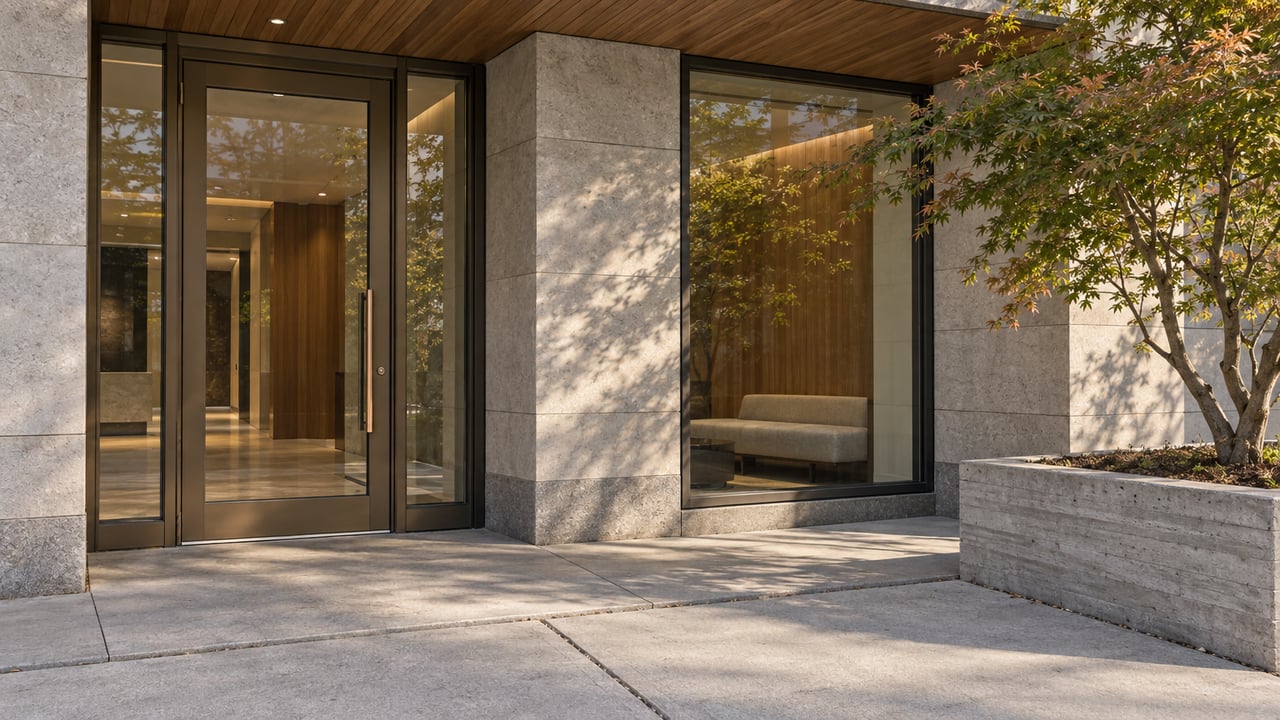
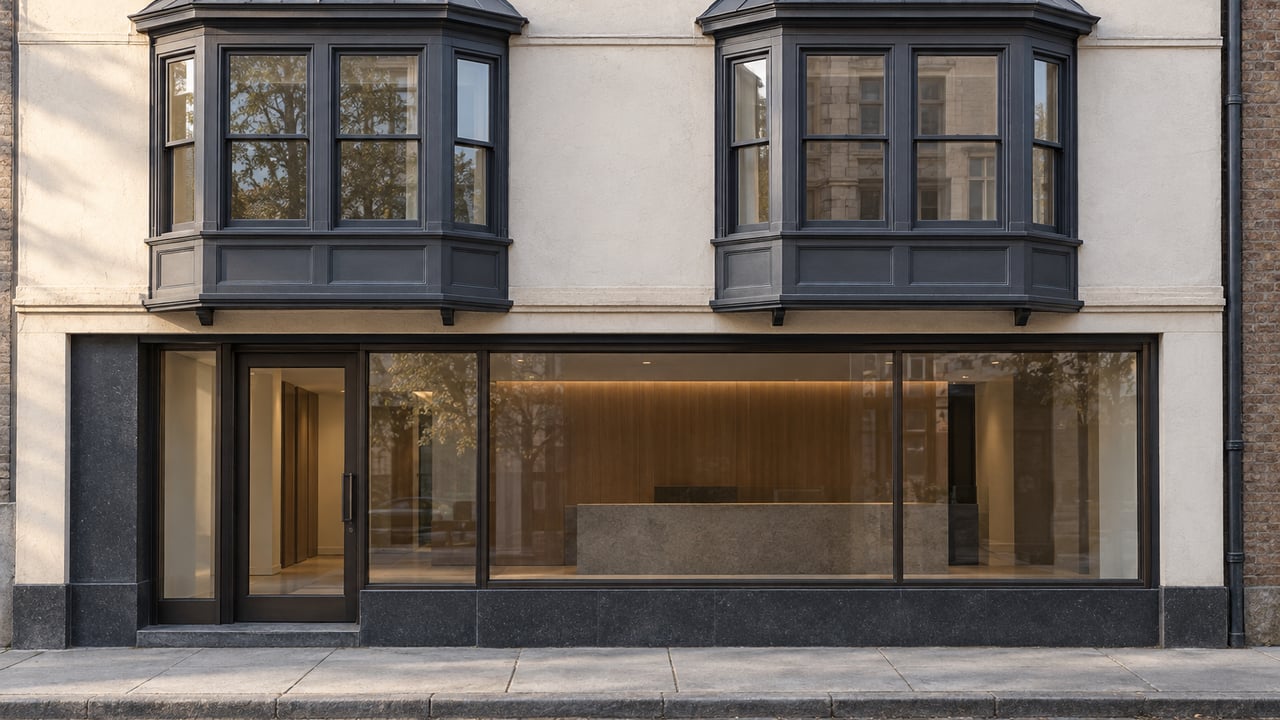
Newer construction is more limited than in other parts of San Francisco. When you find a recently built or fully renovated unit, expect modern finishes and amenities, and often a higher price point.
San Francisco’s rent ordinance covers many units built before June 13, 1979. These buildings are typically subject to local rent control rules and just-cause eviction protections. Some properties are exempt, and specifics vary by building. For definitions, exemptions, and current regulations, start with the San Francisco Rent Board.
Local and state rules also provide just-cause eviction protections and relocation assistance in certain no-fault cases. Because laws update, confirm details with the Rent Board before making lease decisions.
For unfurnished units, California law generally limits security deposits to two months’ rent. For furnished rentals, the limit is three months’ rent. Landlords often screen for income multiples around 2.5 to 3 times the rent and verify credit, references, and employment. Expect standard application fees, first month’s rent, and security deposit at signing. Some leases also include last month’s rent.
Short-term rentals are regulated across San Francisco. If you plan to host occasionally, understand the primary residence requirement, registration rules, and limits. Always confirm your lease allows hosting before applying. Review current rules with the city’s Office of Short-Term Rentals.
Beyond monthly rent, plan for:
A simple rule is to set aside a buffer for the first 60 days. It helps absorb initial costs and any surprise needs, like window coverings or a portable AC.
The Castro experiences typical central-city conditions, including property crime and theft. Common-sense habits go a long way: lock doors, avoid leaving valuables in cars, and arrange secure bike storage when possible. For trends by block, check the SFPD Crime Dashboard and talk with property managers about on-site measures.
Pedestrian activity is higher near the commercial core, especially on weekends and evenings. If you prefer quieter surroundings, focus your search on residential side streets or top-floor units.
Use these questions to compare units more confidently:
When you apply, prepare recent pay stubs, identification, references, and proof of funds for move-in. A complete, well-organized application can help you secure competitive units more quickly.
Choose the Castro if you want a central, social neighborhood with top-notch walkability and Muni access. You will trade some modern conveniences for character in many buildings, and parking can be tight, but everyday life here is vibrant, connected, and convenient without a car.
If you want local guidance on what fits your lifestyle and budget, reach out. As a boutique, leasing-first brokerage, we can help you understand building types, set a strong application, and time your move for a smoother landing. Connect with Ray Amouzandeh to get a plan for your next rental.

We represent many of the best apartments, condominiums, and single-family rental homes throughout the city, specializing in sought-after communities in San Francisco. Contact us today to find out how we can be of assistance to you!