Vacancy in a South Beach high-rise can drain thousands each month. If you own a condo here, you need a plan that respects building rules, showcases amenities, and moves fast without cutting corners. You want qualified tenants, clean logistics, and a signed lease in weeks, not months. This guide gives you a clear, step-by-step South Beach plan you can act on today. Let’s dive in.
Why South Beach is different
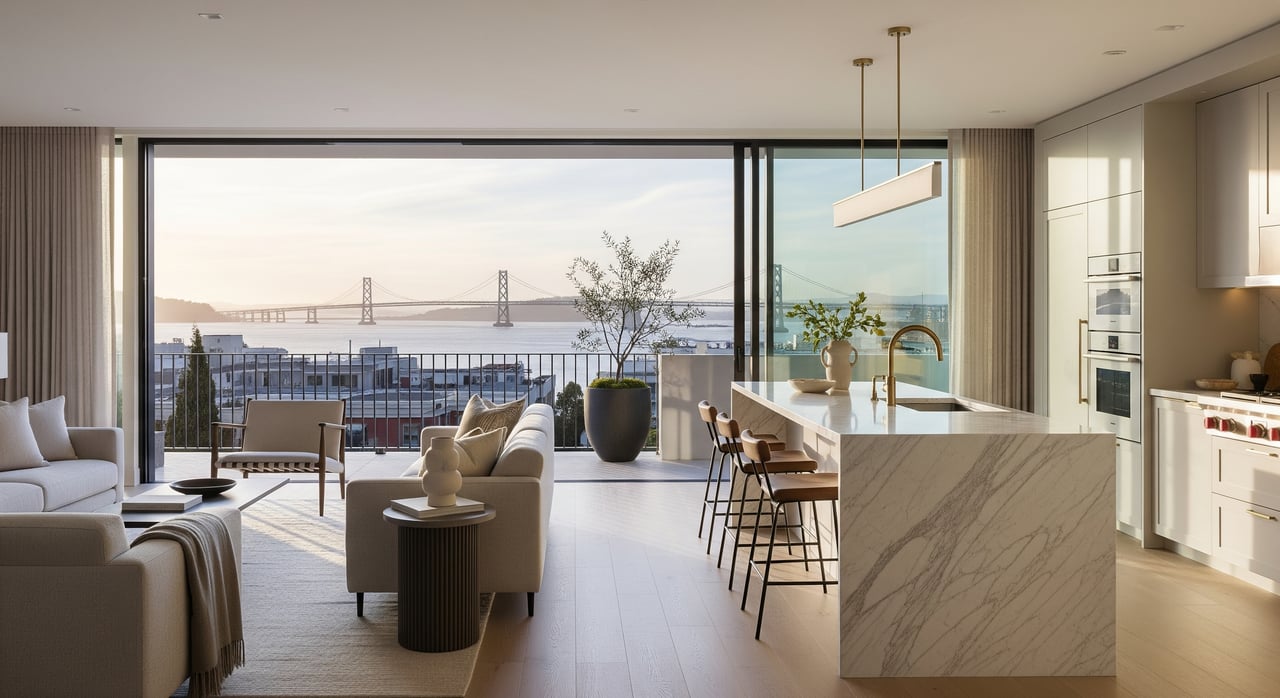
South Beach renters are often professionals who value the Embarcadero, transit access, and building services. Views, floor level, and parking can change demand and price. High-rise logistics like elevator reservations and concierge protocols also shape how you market and show the home.
Seasonality matters. Late spring and summer tend to draw more relocations and renewals. That said, a well-priced unit with strong visuals and clear amenities can lease quickly year-round when it is marketed correctly.
Your 10-point leasing plan
1) Pricing bands that react to the market
Set a three-tier pricing strategy so you can adjust with purpose.
- Band A — Premium: top comps plus 0 to 5 percent for standout units with exceptional views, high floor, parking included, or furnished setups.
- Band B — Market: aligned with median comps for similar floor, view, and bed-bath count.
- Band C — Aggressive: 5 to 12 percent below market or with a concession to accelerate occupancy.
Pull 6 to 12 recent comps from your building and nearby properties. Adjust for floor, view, furnished status, parking, and utilities. Document your initial band and set triggers to adjust if applications lag after 10 to 14 days.
2) Pro photos, floor plan, and virtual tour
In high-rises, renters shop the view, layout, and amenities before they tour. Invest in professional visuals.
- Capture wide, natural-light shots, plus views, balcony, kitchen, living, sleeping area, baths, and in-unit laundry.
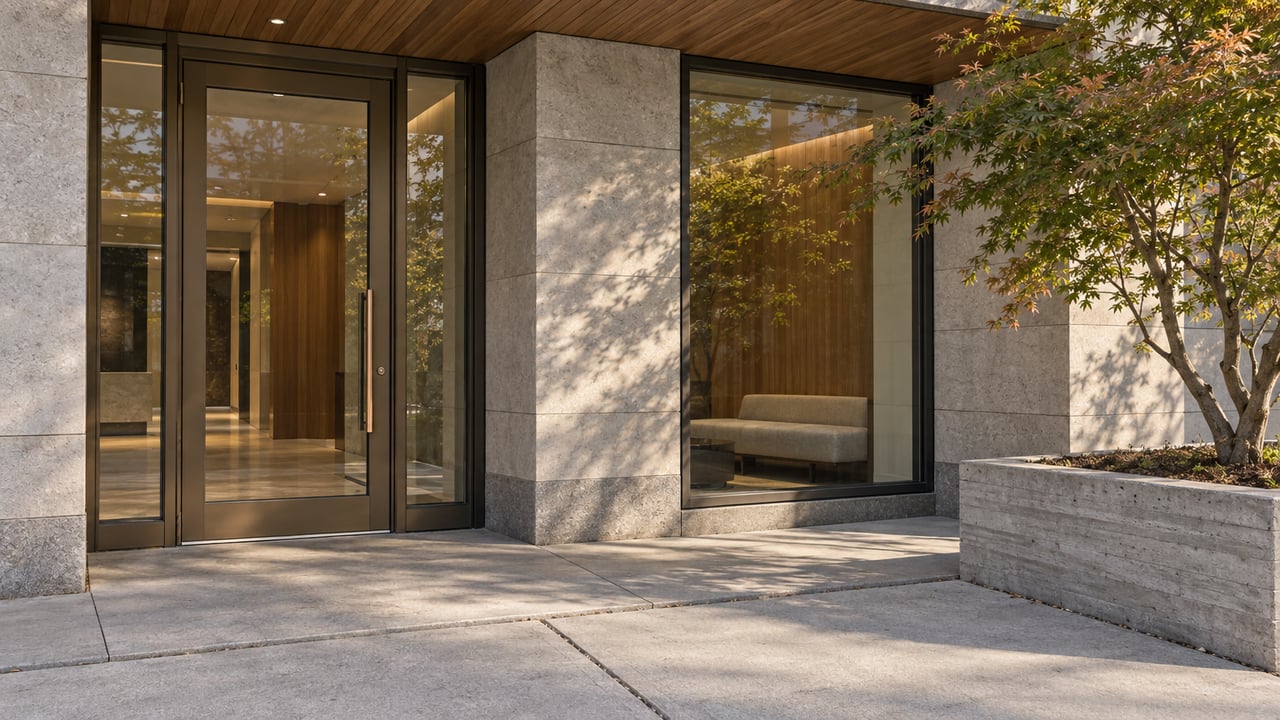
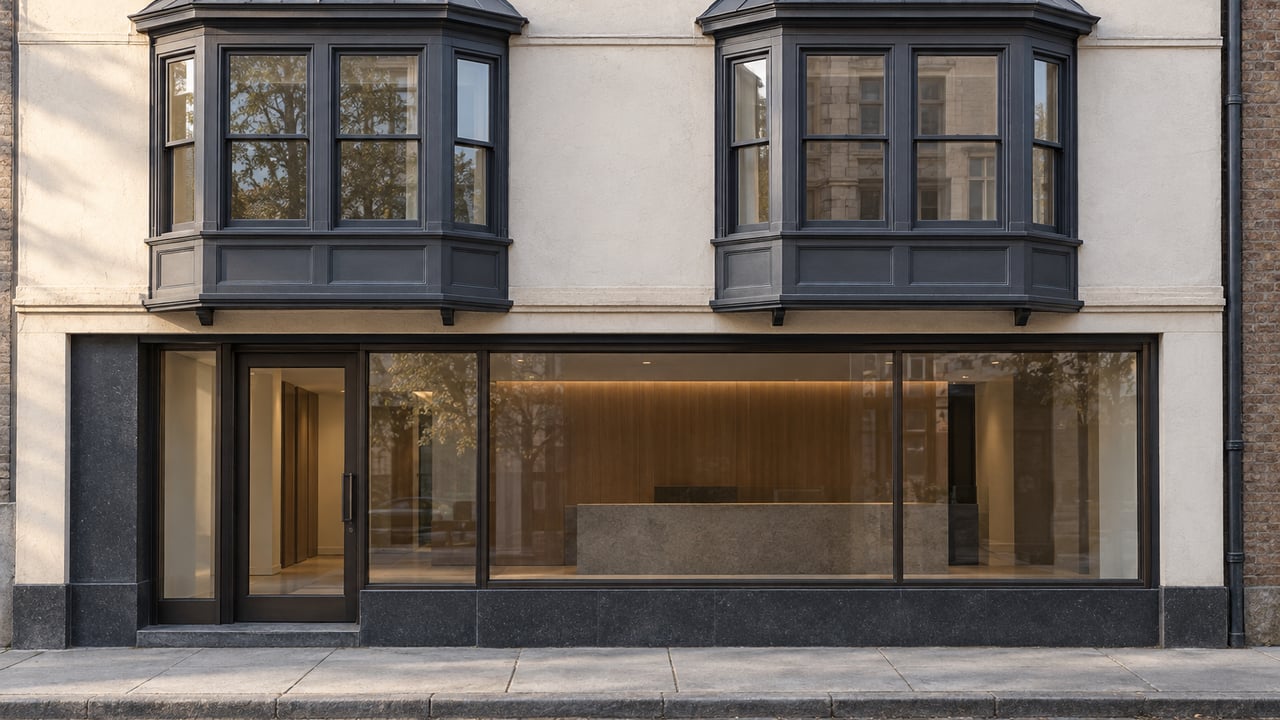
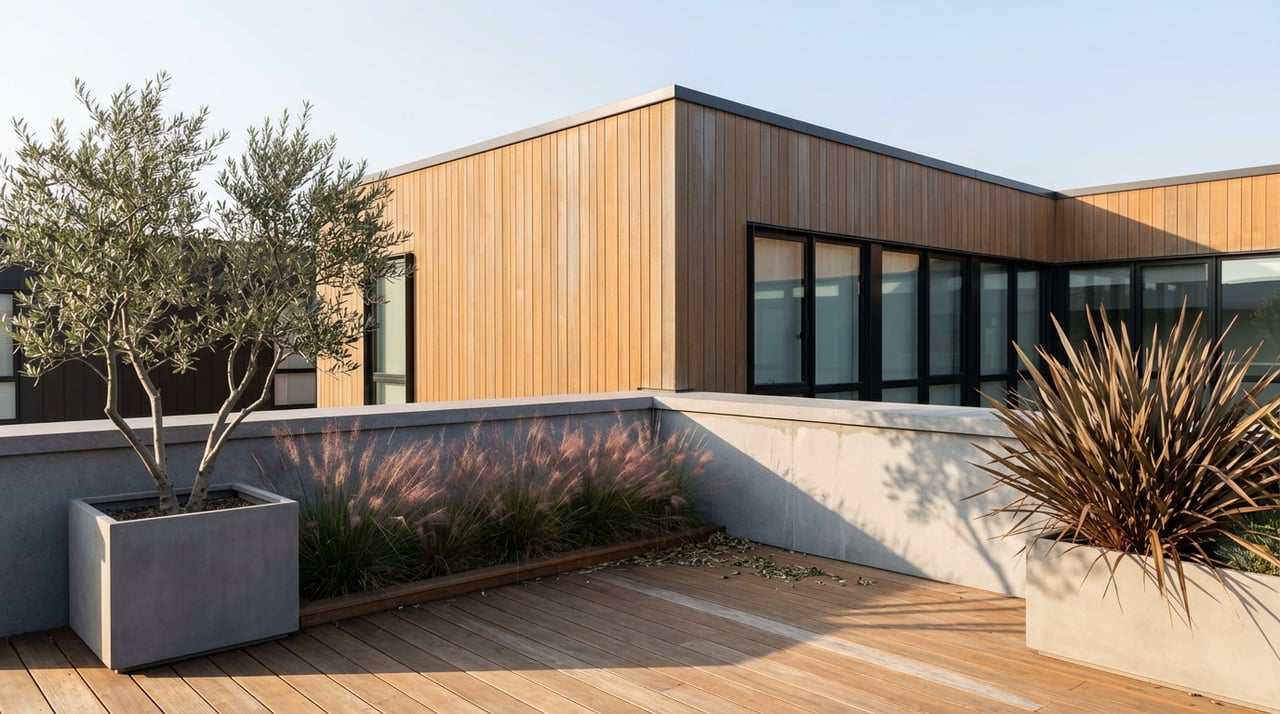
- Highlight building services: lobby, concierge, gym, roof deck, package room, and garage.
- Add a measured floor plan and square footage. Offer a 3D or video tour to reach remote applicants.
- Use a twilight exterior for skyline or water views and crop for mobile.
3) Amenity-first listing copy
Lead with specifics that matter in South Beach.
- Headline example: “High-floor 1BR with Bay Views, Concierge and Parking.”
- Opening lines: name the top three differentiators like view corridor, building services, and proximity to the Embarcadero or Caltrain.
- Bullet the building and in-unit features, including parking, storage, and any EV charging.
- Close with a short lifestyle paragraph on walkability and transit connections.
Avoid vague claims. Use numbers and floor details wherever possible.
4) Tour cadence that respects building access
Control access, reduce no-shows, and make touring simple.
- Day 0 to 2: soft showings by appointment for agents and motivated renters.
- Weekend 1: schedule open-house windows if allowed by the building.
- Ongoing: agent-led and vetted virtual tours. Self-show options may be limited by security.
Coordinate with building staff on elevator reservations, move-in windows, and concierge instructions. Require RSVP and ask pre-screening questions about income, move-in date, pets, and parking.
5) Screening standards for high-rise stability
Use objective, consistent criteria to protect the building and your asset.
- Income: at least 3 times monthly rent, or 2.5 times with a qualified guarantor.
- Credit: aim for 650-plus, with room for a higher deposit or guarantor if lower.
- Rental history: at least 12 months, on-time payments, no recent evictions.
- Background: follow Fair Housing and local rules, and avoid blanket bans.
- Employment: verify with pay stubs, an offer letter, or bank statements for self-employed applicants.
Apply a written screening matrix and document all decisions. For Fair Housing guidance, review the HUD resources on discrimination and equal opportunity.
6) Lease terms and concessions with guardrails
A small, planned concession can shorten vacancy without undercutting headline rent.
- Concessions: a one-time credit, a reduced first month, a prorated free month, or free parking for a set term.
- Lease length: standard 12 months; consider 6 to 9 months at a premium or short furnished terms at premium pricing.
- Utilities: clarify inclusions like water, sewer, and trash, with electricity and internet usually tenant-paid.
Track the cost of concessions against your carrying costs so you know the break-even.
7) Turnover and move-in logistics
High-rises require tight coordination.
- Reserve the freight elevator and confirm move-in windows and fees.
- Disclose building move-in costs to the tenant early.
- Plan key fob and garage remote handoff and package room access.
- Schedule cleaning, touch-up repairs, and a pre-move-in inspection.
- If furnished, inventory the condition and confirm insurance needs.
8) HOA and building rules
Get your paperwork right before you list.
- Review CC&Rs and the building leasing policy for minimum lease lengths, leasing caps, and any tenant registration.
- Confirm parking stall assignment and guest parking rules.
- Prepare any building rule acknowledgments for the move-in packet.
9) Targeted marketing and outreach
Use the channels that reach qualified renters fast.
- MLS and major portals with strong photos and a floor plan.
- Local broker lists and a broker open for early traction.
- Corporate and relocation contacts at nearby employers, especially if furnished.
- Social video tours and targeted ads focused on Bay Area employment hubs.
Track where leads come from and shift spend toward the best channels.
10) Analytics and decision triggers
Measure activity so you can act quickly.
- Track days on market, inquiries, qualified showings, applications, and conversion rates.
- Define triggers: fewer than 3 qualified applicants by day 7 to 10 means more outreach. No qualified applicants by day 14 means a price band change or a concession.
- If showings do not convert, refresh photos, rewrite copy, or re-sequence amenity highlights.
7, 14, and 30-day timeline
Day 0 to 7: Launch and demand check
- Actions: finalize cleaning and staging, upload pro photos and floor plan, launch on MLS and portals, start agent-led tours, and schedule a weekend window if allowed. Pre-screen every lead before showings.
- Expected results: 10 to 30 inquiries depending on season and price, several quality tours, and 1 to 3 qualified applications. At minimum, aim for one qualified application by the first week if pricing is on target.
Day 8 to 14: Screen and negotiate
- Actions: run credit and background checks with a consistent matrix, negotiate terms and concessions within your preset budget, and watch activity volume.
- Expected results: best case is an executed lease or signed offer to lease. If activity falls short, use your trigger to adjust the price band or add a concession.
Day 15 to 30: Finalize and move-in
- Actions: execute the lease, collect the deposit and first month as allowed by California law, coordinate move-in logistics and elevator reservations, and deliver the building rules packet and condition report.
- Expected results: an occupied unit or a signed lease with move-in scheduled within 30 days. If still vacant by day 21 to 30, apply a targeted price reduction or deeper concession per your trigger plan.
Legal and operational checks
Stay compliant and reduce risk before you list.
- Fair Housing: adopt consistent criteria and document decisions. For federal guidance, visit HUD’s Fair Housing page.
- Security deposits: follow California limits for furnished and unfurnished rentals and confirm current rules before collecting funds.
- Tenant protections: statewide just-cause and rent cap rules under AB 1482 may apply depending on exemptions. Confirm applicability for your condo.
- Local rules: consult the San Francisco Rent Board for required disclosures and tenant protections.
- Screening: use FCRA-compliant vendors and obtain written consent for consumer reports.
- HOA: verify minimum lease terms, leasing caps, tenant registration steps, and any required orientations.
- Insurance: ensure your policy covers rentals and require renter’s insurance in the lease.
If you are unsure, consult a local attorney or a property manager before marketing.
Start-today checklist
- Gather HOA leasing rules and CC&Rs, plus any tenant registration forms.
- Book professional photos, a floor plan, and a 3D or video tour.
- Pull 6 to 12 building and nearby comps and choose your pricing band with triggers.
- Draft an amenity-first headline, bullet list, and a one-minute video script.
- Build a screening matrix with income, credit, rental history, and guarantor policy.
- Confirm lease language and disclosures that fit California and San Francisco rules.
- Pre-book move-in logistics with building management.
- Decide your concession policy and a maximum budget.
- List your marketing channels and calendar the outreach.
- Prepare a welcome packet with building rules, parking details, and contacts.
What success looks like
Success is a signed lease within 30 days, minimal concessions, and a qualified tenant who respects building rules. You will know you are on track if you see steady inquiries, multiple qualified tours, one or more strong applications within the first week, and clean logistics leading to a smooth move-in.
Ready to move faster with less friction? Get an amenity-forward listing, firm screening, and hands-on logistics support. If you want a tailored plan and execution for your building, connect with Ray Amouzandeh to get started.
FAQs
How should I price a South Beach condo for speed?
- Use a three-band strategy tied to building-level comps, set triggers at day 7 to 14, and adjust by floor, view, furnished status, parking, and utilities.
What screening criteria work for high-rises in San Francisco?
- Aim for 3 times rent in income, 650-plus credit, at least 12 months rental history, and consistent background checks that follow Fair Housing and local rules.
Which concessions help a high-rise condo lease faster?
- A one-time credit, a prorated free month, or free parking can reduce time to lease while preserving headline rent if applied within a preset budget.
How do HOA rules affect leasing in South Beach buildings?
- HOAs may set minimum lease lengths, leasing caps, tenant registrations, move-in fees, and elevator reservations, all of which you must confirm before listing.
What should I expect in the first 30 days after listing?
- Week 1 should produce qualified tours and at least one solid application, week 2 focuses on screening and negotiation, and weeks 3 to 4 on lease execution and move-in.