Cap rate looks solid, but the cash flow feels tight. If you have ever run numbers on a Richmond District duplex and hit that wall, you are not alone. San Francisco’s rent rules, taxes, and building quirks can make the math tricky. In this guide, you will learn how to compare cap rate and cash‑on‑cash the right way, build realistic rent and expense assumptions, model financing, and stress‑test your returns before you write an offer. Let’s dive in.
Cap rate vs cash‑on‑cash
Cap rate and cash‑on‑cash answer different questions.
- Cap rate shows the property’s unlevered income yield. It removes financing from the equation.
- Cash‑on‑cash shows the return on your actual cash invested, after debt service and upfront costs.
Here is how they work:
- Cap rate = Net Operating Income (NOI) divided by purchase price.
- NOI = Gross Potential Rent minus vacancy and concessions minus operating expenses. It excludes loan payments and income taxes.
- Cash‑on‑cash = Annual pre‑tax cash flow divided by total cash invested. Pre‑tax cash flow = NOI minus annual debt service and any scheduled capital expenditures included in cash flow. Total cash invested includes down payment, closing costs, initial repairs, and immediate reserves.
Why both matter:
- Cap rate isolates the asset’s operating performance and market pricing in Richmond.
- Cash‑on‑cash captures your financing terms, leverage, and upfront cash requirements.
- Leverage can boost or sink cash‑on‑cash. A higher cash‑on‑cash does not mean lower risk, so you should always review both metrics.
Illustrative example:
- If an NOI is 36,000 dollars and your price is 1,200,000 dollars, the cap rate is 3.0 percent.
- If you put 25 percent down, and annual debt service is 48,000 dollars, then pre‑tax cash flow is 36,000 minus 48,000 equals negative 12,000 dollars.
- Cash‑on‑cash is negative 12,000 divided by 300,000 equals negative 4 percent. The cap rate looked fine, but leverage turned cash flow negative.
Model Richmond duplex income
Start with Gross Potential Rent (GPR). Build a comp set for each unit that matches bedrooms, baths, square footage, parking, laundry, renovation level, and floor level. Verify whether the unit is subject to San Francisco’s Rent Ordinance, which covers most units built before June 13, 1979. The San Francisco Rent Board publishes the rules you need to confirm rent control status and allowable annual increases.
Then move to Effective Gross Income (EGI). Apply a vacancy and collection loss factor. San Francisco often runs tighter, but rent control can lengthen turnover time. A conservative 4 to 6 percent assumption is reasonable for initial modeling.
Calculate NOI by subtracting operating expenses from EGI. Keep debt service out of NOI so your cap rate comparison stays clean.
Use a simple two‑stage spreadsheet:
- Unlevered tab: GPR, vacancy, EGI, operating expenses, NOI, cap rate.
- Levered tab: add loan terms, annual debt service, pre‑tax cash flow, cash‑on‑cash, and DSCR.
Operating expenses to include
Older Richmond buildings are often mid‑century wood‑frame with small garages or on‑street parking. Budget with that in mind. Common line items:
- Property tax: estimate assessed value times local effective rate. Proposition 13 sets base tax near 1 percent, with local assessments often bringing the effective rate to roughly 1.1 to 1.3 percent. Verify the parcel’s details with the San Francisco Treasurer & Tax Collector.
- Insurance: landlord coverage can vary widely by replacement cost and riders. In San Francisco, plan for the higher end of typical small‑multifamily ranges.
- Utilities: many duplexes have owner‑paid water, sewer, and trash. Budget 150 to 400 plus dollars per month if the owner pays, depending on building size and appliance efficiency.
- Repairs and maintenance: 5 to 10 percent of gross rent is a common rule of thumb. For older SF stock, a per‑unit reserve of 1,000 to 4,000 dollars per year can be more realistic.
- Capital expenditures reserve: set aside 5 to 10 percent of gross rent, or 2,000 to 6,000 dollars per unit per year for roof, systems, windows, or seismic work.
- Property management: 6 to 12 percent of effective rent for full‑service management in San Francisco.
- Vacancy and collection loss: carry your 4 to 6 percent conservative assumption here as a separate line if you prefer seeing it above NOI.
- Legal, admin, and compliance: budget for rental registration, compliance tasks, and legal support.
As a reality check, total operating expenses for older, small multifamily in high‑cost metros often land in the 30 to 60 percent range of EGI, depending on condition, utilities, and management level. Get quotes and seller docs to refine each line.
San Francisco rules that shape returns
Regulation can swing your pro forma more than any other factor, so verify early.
- Rent control and tenant protections: Most units built before June 13, 1979 fall under San Francisco’s Rent Ordinance. Allowed rent increases, major capital improvement pass‑throughs, and registration rules are published by the San Francisco Rent Board. Always confirm a unit’s legal status and tenant history before you assume rent growth.
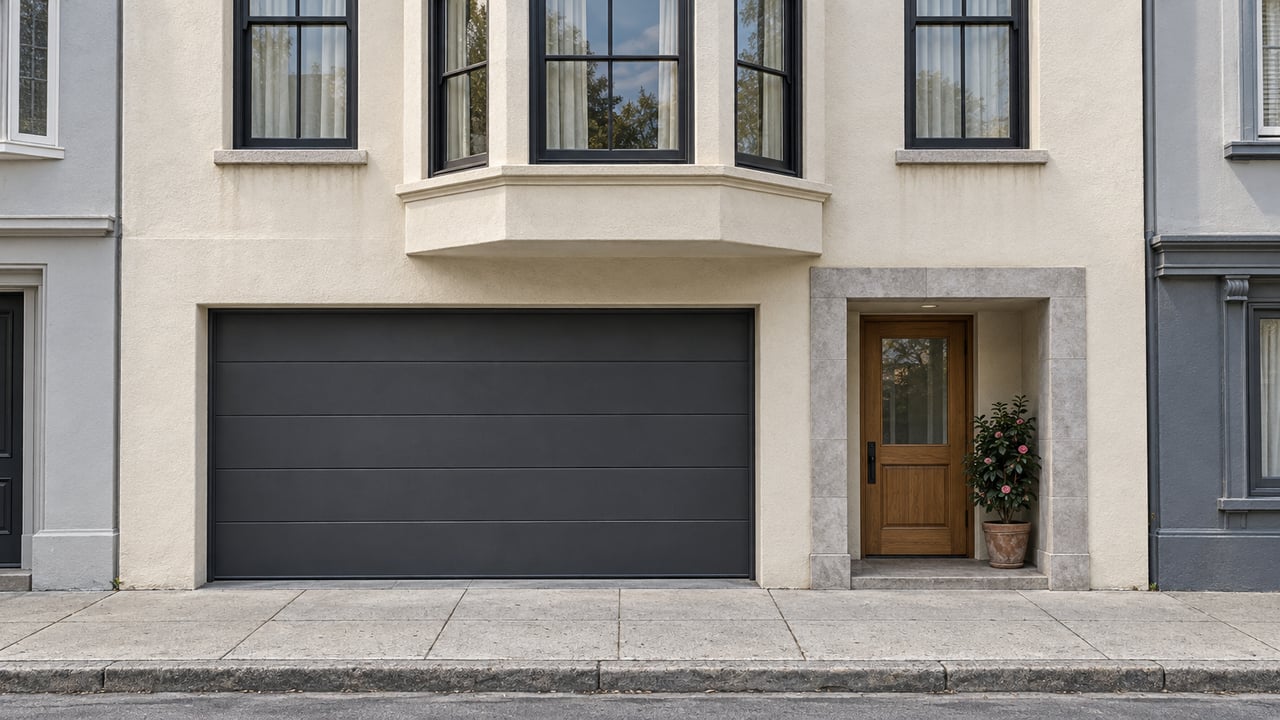
- Seismic and permits: Many Richmond duplexes sit over garages or retail spaces that may qualify as soft‑story or have other structural needs. Check permit and retrofit requirements with the Department of Building Inspection before you finalize a capital plan.
- Taxes and transfer costs: Beyond annual property taxes, San Francisco’s documentary transfer tax is progressive by price and can be material at higher values. Review current thresholds and rates with the Treasurer & Tax Collector.
- Short‑term rental limits: If you plan any non‑traditional rental strategy, confirm it complies with local ordinances.
If you are buying from out of area, a quick regulatory scan can save you months of surprises.
Financing choices and impact
Financing changes cash‑on‑cash more than it changes cap rate, so test multiple structures.
- Owner‑occupied two‑unit options: Some programs allow lower down payments and better rates if you live in one unit. Requirements vary by product.
- Investor financing: Plan for 20 to 30 percent down, with lender reserves and DSCR tests that can affect qualification and cash needs.
- Loan type: Fixed vs ARM, interest‑only vs amortizing. Interest‑only can improve short‑term cash‑on‑cash yet raises refinancing and repayment risk later.
To see the range, build scenarios such as 20 percent down at a fixed rate, 30 percent down with a lower rate, and a 5‑year interest‑only ARM. For market rate context, review the Freddie Mac Primary Mortgage Market Survey. Then plug your actual lender quotes into your model.
Tip: If debt service exceeds NOI, cash‑on‑cash will go negative even if the cap rate looks acceptable. In that case, you either need a lower price, higher income, more down payment, or a different plan.
Stress‑test your numbers
Your first pass is the base case. Then run these stress tests to see if the deal holds up.
- Vacancy shock: Add 2 to 5 percentage points to vacancy. Assume one 60 to 90 day turnover every few years. Recalculate NOI and cash‑on‑cash.
- Maintenance shock: Add a one‑time 50,000 to 200,000 dollar event for roof, seismic, or plumbing. Model as cash paid now or financed. Track the effect on reserves and cash‑on‑cash.
- Rent growth pause: Hold rent growth at 0 percent for 3 to 5 years, which is prudent in a regulated market.
- Rate shock: Add 1 to 2 percent to your loan rate for new debt or a future refinance.
- Combined worst case: Run vacancy plus maintenance plus higher rates together. Note when reserves would be exhausted.
Set decision rules before you shop. Many out‑of‑area investors require positive cash flow under a conservative case, such as current rate plus 1 percent and vacancy plus 2 percent.
Quick due diligence checklist
Legal and regulatory:
- Confirm build year and rent control status. Check for any active or past Rent Board cases.
- Verify unit legality, including any lower‑level conversions or ADUs, and ensure permits exist for past work.
Physical condition:
- Review property condition reports, prior maintenance records, and contractor bids.
- Inspect foundation, roof, drainage, plumbing supply and waste lines, electrical systems, moisture, and any soft‑story risks. Confirm requirements with the Department of Building Inspection.
Financials and rent:
- Collect the last 12 months of rent roll, lease copies, security deposit records, two years of tax bills, and utility and insurance statements.
- Confirm actual collected rents versus asking rents. For rent‑controlled units, verify the legal rent and increase history with the San Francisco Rent Board.
Operations:
- Get proposals from local property managers for fees and typical turn costs.
- Line up at least two local contractors for on‑call repairs and turnover work.
- Build an initial reserve that covers tenant relocation obligations if required by local rules.
For broader neighborhood and housing stock context, the American Community Survey offers useful background data.
What a solid decision looks like
A strong Richmond duplex deal is not about chasing the highest cash‑on‑cash on paper. It balances realistic income, conservative expenses, and financing that you can hold through rate cycles.
- Cap rate: Competitive for the block and building risk profile, with documented rent assumptions.
- Cash‑on‑cash: Positive in your conservative scenario. Some investors target 6 to 8 percent after stress tests, but your target should match your goals and risk tolerance.
- Reserves: Adequate to handle a major repair without distress.
- Strategy: Clear plan for leasing, tenant quality, and compliance that reduces downtime and surprises.
Put leasing to work for your ROI
In San Francisco, speed‑to‑lease and tenant quality can make or break cash‑on‑cash. Fast, targeted marketing reduces vacancy. Careful screening supports steady collections. Flexible, à la carte management keeps ongoing costs aligned with your plan.
If you want a Richmond‑specific leasing strategy, local comps, and a custom stress test for a target duplex, connect with Ray Amouzandeh. Get a fast leasing plan that aligns with your numbers and your timeline.
FAQs
What is cap rate for a Richmond duplex and why use it?
- Cap rate is NOI divided by price. It shows the property’s unlevered income yield so you can compare Richmond duplexes without the noise of loan terms.
How does cash‑on‑cash change with different loans on a duplex?
- Cash‑on‑cash rises with positive leverage and falls when debt service approaches or exceeds NOI, so model several down payments and rate types before deciding.
Which operating expenses should I expect in the Richmond District?
- Plan for property taxes, insurance, owner‑paid utilities, repairs, capital reserves, management, compliance, and vacancy, with total operating costs often 30 to 60 percent of EGI.
How do San Francisco rent control rules affect my pro forma?
- If the units are covered by the Rent Ordinance, allowable increases and tenant history limit rent growth, so verify details with the San Francisco Rent Board before projecting revenue.
What documents should I review before buying a Richmond duplex?
- Gather the 12‑month rent roll, leases, deposit records, two years of tax bills, utility and insurance statements, permits, and any DBI or Rent Board records tied to the property.