Castro District Rental Market Guide For Small Landlords
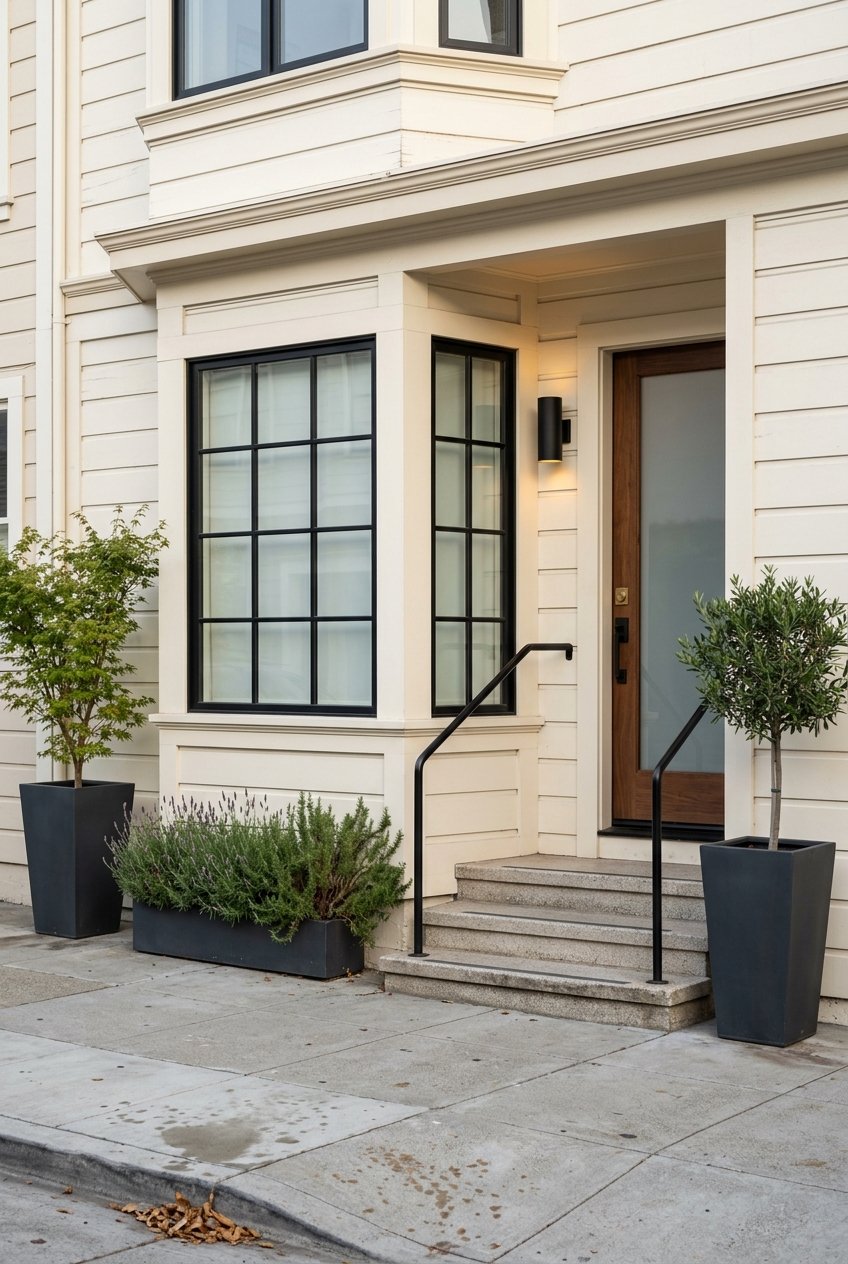
If you own a rental in the Castro, you already know this is not a market where you can rely on guesswork. Demand is strong, the housing stock is unique, and San Francisco rules can shape everything from rent increases to lease timing. The good news is that small landlords can do very well here when pricing, presentation, and compliance all work together. Let’s dive in.
The Castro remains one of San Francisco’s most recognized neighborhoods, and that visibility supports consistent renter interest. San Francisco Planning describes Castro Street as the historic center of the LGBTQ community, and local tourism sources describe the area as progressive, creative, and diverse. The city also launched the Castro Upper Market Entertainment Zone in 2025 to support neighborhood activity and small businesses.
For renters, convenience is a major part of the appeal. The neighborhood has a 100 walk score and a 100 transit score, with access to Castro Station and multiple Muni routes. Annual events like Pride and the Castro Street Fair also keep the area active and well known across the city.
Historical San Francisco Planning profiles show a neighborhood with a high share of non-family households and single-person households. In the Castro/Upper Market profile, 71% of households were non-family households, 43% were single-person households, and 10% had children. That points to a household mix that often includes singles, couples, and other renters who value an urban, transit-oriented lifestyle.
For a small landlord, that matters because your marketing should match how people actually shop here. Clear layouts, realistic rent pricing, and strong photos can matter more than broad lifestyle language. In a neighborhood like the Castro, renters often compare location, condition, and daily convenience very closely.
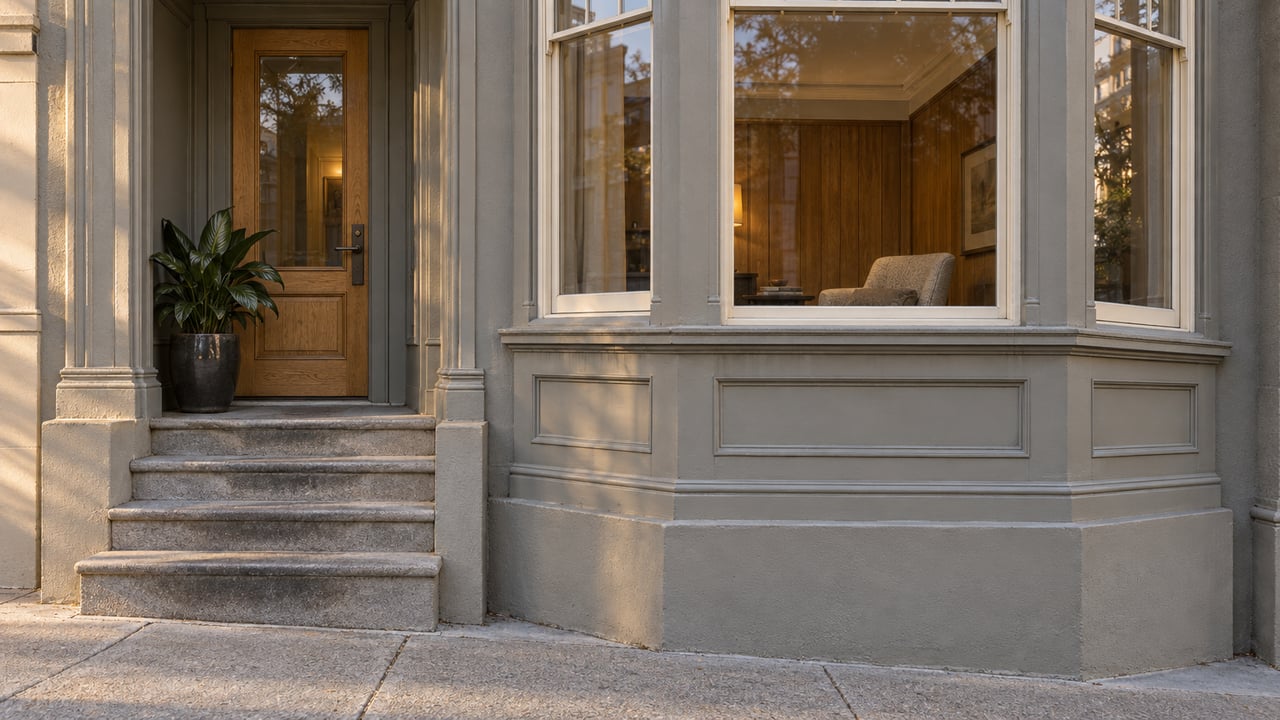
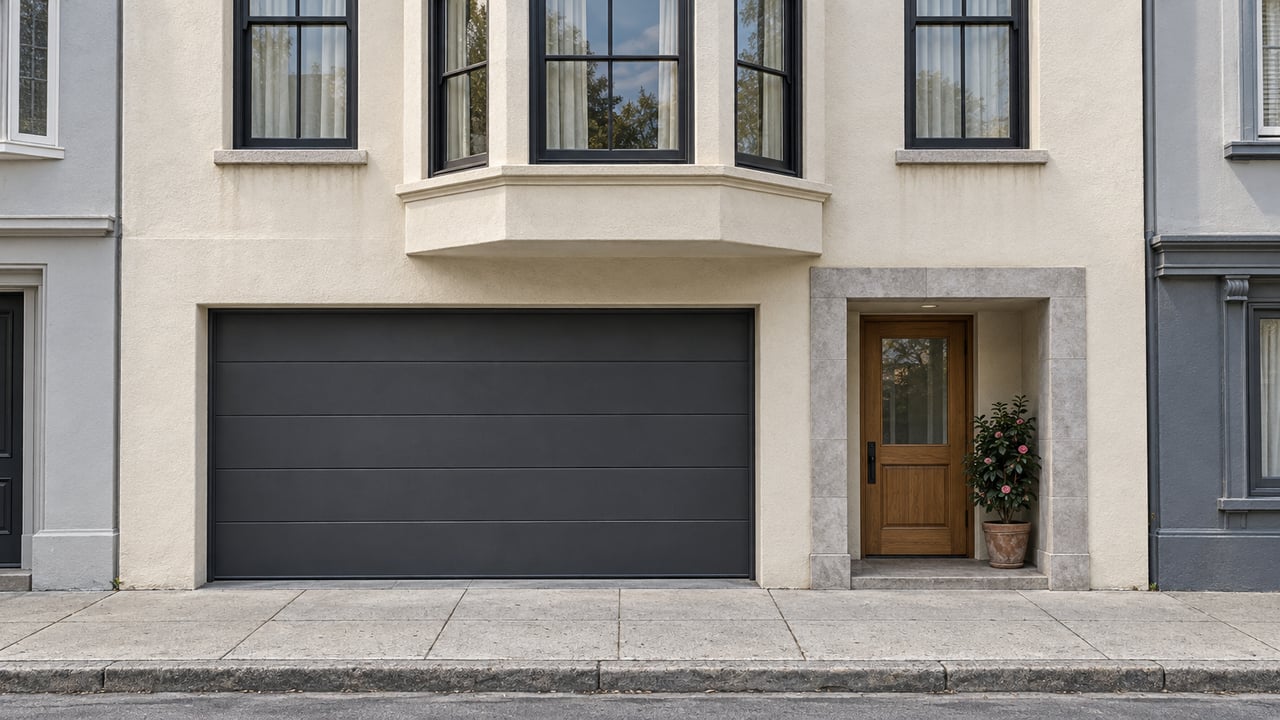
One reason the Castro is so relevant for independent owners is the housing mix. San Francisco Planning notes that the area includes Victorian-era flats, dwellings, commercial development, and apartment buildings. It also reports that close to half of units in Castro/Upper Market are in 2 to 4 unit buildings or 5 to 19 unit buildings.
That means you are often competing against properties that look a lot like yours, not just against large apartment operators. In practical terms, leasing performance often comes down to how well your unit shows, how functional the floor plan feels, and whether the condition meets current renter expectations.
In the Castro, older housing stock can absolutely rent well, but presentation matters. A clean flat with updated finishes, good lighting, and a clear description can perform much better than a similar unit that feels dated or poorly marketed. The neighborhood’s rent spread suggests that bedroom count, condition, and amenities all influence pricing.
If you are preparing a vacancy, focus on the basics that shape first impressions:
Small details can affect speed to lease. In a neighborhood where many buildings are older, renters often look closely at how well a property has been maintained.
Current neighborhood listings commonly show 12-month leases, which suggests that annual terms remain the standard in this market. That gives landlords a familiar framework for pricing and turnover planning. It also aligns with how many renters expect to secure housing in San Francisco.
At the same time, San Francisco rules matter far beyond the lease start date. In a covered unit, the end of a lease does not by itself allow a landlord to remove a tenant. The city’s Rent Ordinance requires just cause.
In San Francisco, understanding whether your unit is covered is essential before you set a rent strategy. Units first constructed after June 13, 1979 are generally exempt from local rent-increase limits, though they are still subject to just-cause eviction rules. AB 1482 may also apply if a unit is not otherwise exempt.
For covered units, San Francisco’s current annual allowable rent increase is 1.6% for March 1, 2026 through February 28, 2027. That increase can be imposed only once every 12 months, and the rules on timing and calculation are specific.
According to SF.gov, landlords of covered units must:
The city also states that parking or storage are generally part of base rent, while passthrough charges are not. These details matter because a small error in process can create delays or compliance problems.
When a covered unit becomes vacant, San Francisco allows landlords to set the initial rent without a local cap. That gives small landlords an important reset point between tenancies. In a neighborhood like the Castro, where pricing can shift noticeably by unit type and condition, that reset can have real value.
As of May 2026, average Castro rents listed on Apartments.com were:
The same source reported rents up 5.9% year over year. These averages are helpful benchmarks, but they are not substitutes for unit-level pricing. A polished one-bedroom in a strong location may perform very differently from an older unit with dated finishes or a less efficient layout.
In the Castro, strong results usually come from disciplined execution rather than aggressive rent growth. Because annual increases on covered units are limited, much of your long-term performance depends on pricing vacancies correctly, reducing downtime, and keeping the property appealing. That is where many small landlords either protect returns or lose momentum.
A practical leasing approach often includes three priorities:
Use neighborhood data as a starting point, then adjust for condition, bedroom count, layout, and presentation. Overpricing can stretch vacancy, and in San Francisco that can quickly outweigh any hoped-for gain. A realistic launch price usually gives you better leasing traction.
In a neighborhood filled with character buildings, renters still expect clarity and upkeep. Clean common areas, strong listing photos, and a well-prepared unit help reduce hesitation. If the space is older, good presentation becomes even more important.
San Francisco is not a market where you want to improvise paperwork. Rent increase rules, housing inventory reporting, notice timing, and just-cause requirements all need attention. For many owners, reliable leasing help is valuable because it reduces both vacancy risk and administrative friction.
Another local number worth knowing is the city’s posted security deposit interest rate. For March 1, 2026 through February 28, 2027, San Francisco lists that rate at 4.2%. If you own and manage property yourself, keeping track of local posted rates like this is part of running a compliant rental operation.
If you own one unit, a condo, or a small multi-unit building in the Castro, you may not need full-service management every time. But you may still want help with pricing, marketing, showings, screening, or lease setup, especially when every extra week of vacancy cuts into returns. That is often where a leasing-first approach fits best.
For small landlords, the goal is usually simple: lease the unit quickly, place a qualified tenant, and avoid preventable compliance problems. In a neighborhood as active and regulated as the Castro, local market knowledge can make that process a lot smoother.
If you want a practical plan for pricing, positioning, and leasing your Castro rental, Ray Amouzandeh offers fast tenant placement and flexible support built for San Francisco landlords.




We represent many of the best apartments, condominiums, and single-family rental homes throughout the city, specializing in sought-after communities in San Francisco. Contact us today to find out how we can be of assistance to you!